

Table of Contents:
- Understanding Elevator Accident Injuries
- How Elevators Are Supposed to Keep You Safe
- Common Causes of an Elevator Accident
- Types of Elevator Accident Injuries
- Who Can Be Liable for an Elevator Accident?
- How Liability Is Proven in Elevator Accident Claims
- Critical Evidence in an Elevator Accident Case
- What to Do After an Elevator Accident
- How to File an Elevator Accident Claim (Step-by-Step)
- Damages You Can Recover
- Special Scenarios (Workers, Children, Seniors, Public Buildings)
- Why Roxell Richards Injury Law Firm
1) Understanding Elevator Accident Injuries
An elevator accident can feel surreal because elevators are so regular in daily life. We ride them in apartments, hotels, hospitals, office towers, parking garages, malls, and airports everywhere. Most of the time, nothing goes wrong. But elevators are heavy mechanical systems with moving doors, cables (or belts), counterweights, electronic controls, and multiple safety devices. When any link in that chain breaks, the result can be sudden and violent.
Elevators and escalators are tied to an estimated 17,000 serious injuries and about 30 deaths every year in the United States, according to widely cited CDC-based safety reporting. While fatalities are rare relative to overall rides, injuries from an elevator accident can be severe because they often involve falls, blunt-force impact, or crushing hazards.
What makes elevator accident cases legally important is that they’re often preventable. They commonly trace back to:
-
- missed or sloppy maintenance,
- ignored safety complaints,
- overdue inspections,
- code violations,
- or defective parts/design.
That means many victims are not dealing with “bad luck.” They’re dealing with a failure of responsibility by a building owner, an elevator maintenance contractor, a manufacturer, or all of the above.
In this guide, you’ll learn:
-
- What causes elevator accidents?
- what injuries they create,
- Who is liable?
- What evidence proves a claim,
- and how the process of filing an elevator accident case works from start to finish.
2) How Elevators Are Supposed to Keep You Safe
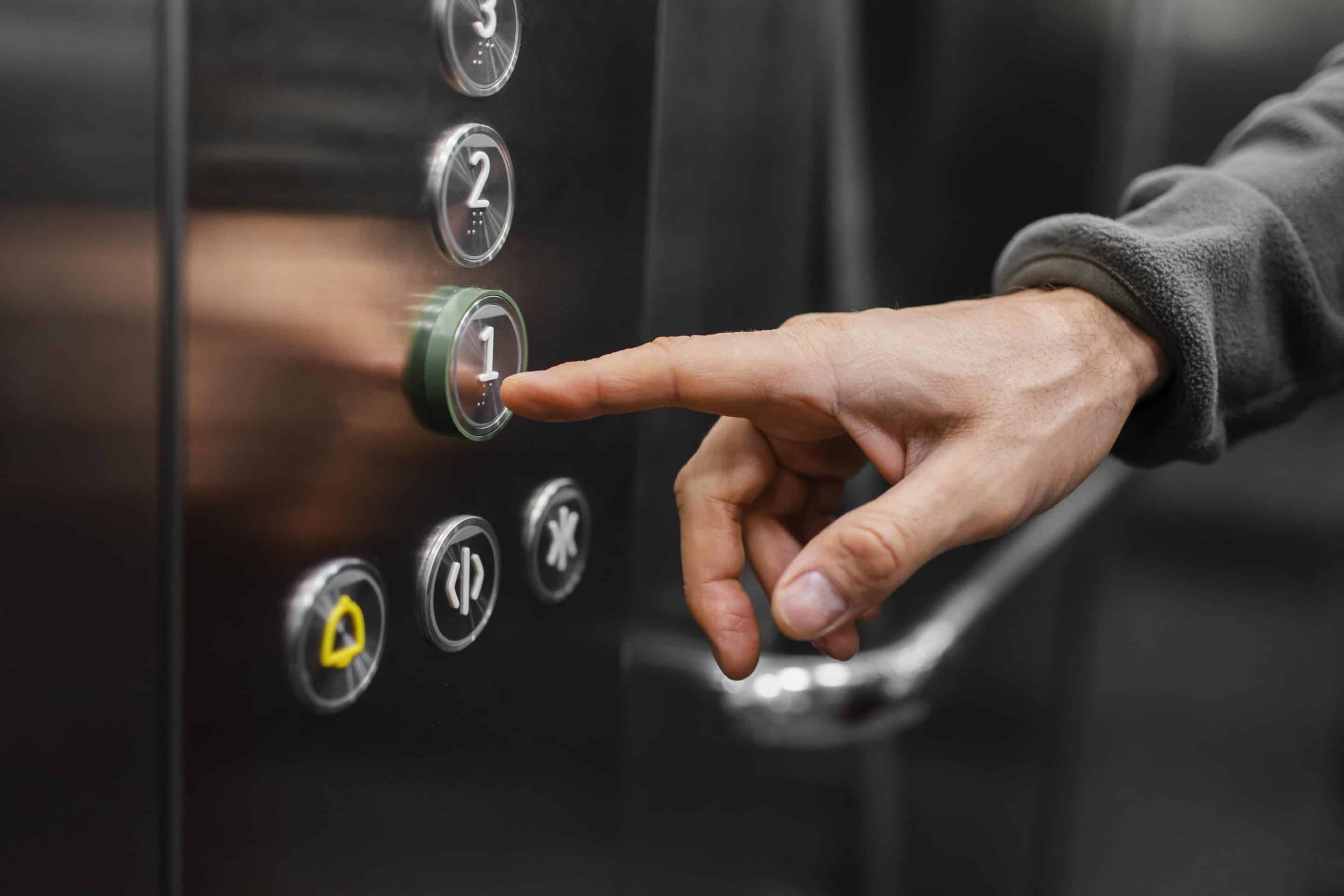
Elevators in North America are governed by safety rules mainly based on ASME A17.1/CSA B44, the primary safety code for elevators and escalators. These codes cover:
-
- door operation standards,
- braking systems,
- emergency communications,
- leveling accuracy,
- fire service modes,
- required inspections and testing.
Building owners and property managers are expected to ensure their elevators meet these standards, schedule inspections, and promptly correct any violations.
Multiple Braking and Overspeed Protections
Passenger elevators aren’t supposed to “free fall.” They use redundant safety features:
-
- primary brakes that hold and stop the car,
- overspeed governors that detect dangerous speed,
- safety brakes that clamp to rails if overspeed occurs.
So when a drop, harsh stop, or uncontrolled movement occurs, it is typically the result of worn braking components, poor calibration, or control system failures that should have been detected during routine maintenance.
Door Sensors and Safety Edges
Elevator doors are designed to detect a person or object before closing forcefully. They usually have:
-
- infrared or light-curtain sensors,
- pressure-sensitive door edges,
- timing controls to open/close at safe speeds.
If doors close on someone hard enough to injure them, the likely causes are:
-
- sensors not working,
- sensors not tested,
- outdated door systems,
- or defective components.
3) Common Causes of an Elevator Accident
Most elevator accident claims come down to a few recurring patterns. Here’s what attorneys and safety investigators look for.
A) Poor Maintenance and Neglected Repairs
Routine inspections and maintenance are not optional; they’re the backbone of elevator safety. When maintenance schedules are skipped, rushed, or handled by underqualified technicians, problems build up quietly until a failure occurs.
Examples of maintenance failures that lead to elevator accidents:
-
- worn brake pads or brake drift left unrepaired,
- frayed cables or belts not replaced on schedule,
- dirty or misaligned door tracks,
- calibration issues in leveling sensors,
- delayed response to repeated rider complaints.
-
- doors that slam or bounce,
- jerky starts and stops,
- frequent “out of service” shutdowns,
- loud grinding or screeching sounds,
- car drifting above/below floor level.
If owners or maintenance companies had notice of these signs and did nothing, that’s evidence of negligence.
B) Misleveling (Uneven Floor Stops)
Misleveling is when the elevator car stops a little too high or too low compared to the floor. It sounds minor, but it’s one of the most common causes of elevator accident falls.
Misleveling occurs because of:
-
- brake wear,
- sensor failure,
- roller deterioration,
- control board drift,
- Poor calibration after repairs.
A person stepping out expecting level ground can trip forward or backward with no time to react, leading to fractures or head injuries.
C) Door Malfunctions
Door accidents can happen in many forms:
-
- doors close too fast,
- doors don’t reopen when blocked,
- doors reopen and slam again,
- doors open unexpectedly,
- doors open when the elevator isn’t present (shaft hazard).
Door failures can be traced to maintenance negligence (e.g., failing to test sensors) or to product defects (e.g., a poor door operator design).
D) Sudden Drops, Jerks, or Hard Stops
Even a short drop can slam a passenger into the floor or wall. Sudden stops can throw people off balance like a car crash.
Causes include:
-
- brake failure,
- counterweight imbalance,
- control logic errors,
- electrical surges,
- corrupted or outdated software.
A drop doesn’t need to be dramatic to cause serious injury; even a slight movement can fracture bones or damage the spine.
E) Installation or Modernization Errors
New installations and upgrades require precision. If an installation contractor cuts corners, uses incorrect parts, or fails to test after modernization, unsafe movement or door behavior can follow.
F) Electrical or Control System Failures
Elevators rely on electronic systems to interpret speed, position, and door timing. Failures can cause:
-
- overshooting floors,
- stalling between levels,
- random movement,
- door timing errors.
These problems are often predictable when equipment is old or poorly serviced, another reason building owners and maintenance firms may be liable.
G) Overdue Inspections or Code Violations
If an elevator operates with open safety violations or overdue inspections, the owner and manager may be negligent. Codes require periodic checks for safe leveling accuracy, door operation, brakes, and emergency systems.
An inspection history showing repeated violations is robust evidence in an elevator accident claim.
H) Unsafe Conditions Around Elevator Entrances
Not all elevator accident injuries come from the machine itself. Environmental hazards around the elevator can cause falls:
-
- wet/slippery floors outside the doors,
- inadequate lighting,
- broken handrails,
- clutter or construction debris,
- missing warning signs during maintenance.
4) Types of Elevator Accident Injuries

Common in misleveling cases:
-
- broken ankles, knees, hips, wrists,
- torn ligaments,
- shoulder dislocations,
- deep bruising and sprains,
- spinal disc injury from impact.
Falls or door impacts can cause:
-
- concussions,
- traumatic brain injury (TBI),
- skull fractures,
- memory, speech, and attention problems,
- mood changes and chronic headaches.
A “mild” concussion can still cause months of cognitive struggles and missed work.
Door entrapment or shaft incidents may result in:
-
- crushed hands, feet, or limbs,
- internal bleeding,
- pelvic and rib fractures,
- amputations,
- fatal injury in severe cases.
Sudden movement injuries often include:
-
- whiplash,
- spinal fractures,
- herniated discs,
- nerve compression,
- paralysis in catastrophic cases.
Many elevator accident victims develop:
-
- PTSD,
- anxiety or panic in enclosed spaces,
- insomnia and nightmares,
- depression linked to pain or disability.
5) Who Can Be Liable for an Elevator Accident?
The hardest part of elevator accident law is often not proving injury, but proving who is responsible. Multiple parties may share fault.
Property Owners / Building Operators
Owners and managers control:
-
- inspection scheduling,
- maintenance contracts,
- repair approval,
- whether a broken elevator stays in service.
They may be liable if they:
-
- failed to arrange routine maintenance,
- ignored known hazards,
- delayed repairs,
- allowed operation despite code violations,
- failed to warn or block access.
Maintenance firms must inspect and repair elevators competently. Liability arises when they:
-
- missed obvious wear patterns,
- failed to test door sensors or brakes,
- performed sloppy repairs,
- used unsafe parts,
- or didn’t document dangerous defects.
If a defect caused the elevator accident, product liability may apply. Manufacturers can be responsible for:
-
- design flaws making doors unsafe,
- defective brake systems,
- faulty leveling logic,
- poor warnings or instructions.
If unsafe installation or upgrade work triggered the accident, those contractors may be defendants.
Other Third Parties
6) How Liability Is Proven in Elevator Accident Claims
To succeed in an elevator accident case, you generally must show four elements:
-
- Duty of care — The defendant had a responsibility to keep the elevators safe.
- Breach — They failed to meet that duty through negligence or a defect.
- Causation — That breach caused your elevator accident injuries.
- Damages — You suffered measurable losses (medical costs, missed work, pain).
-
- Negligence claims focus on careless maintenance, ignored repairs, or unsafe operation.
- Product liability claims focus on defective parts, unsafe design, or failure to warn.
Many cases involve both. Your attorney’s job is to investigate every plausible theory so no responsible party escapes.
The “Res Ipsa Loquitur” Concept
In some elevator accident cases, courts may allow the idea that the accident itself implies negligence, because elevators don’t usually drop, mislevel, or trap people without a failure of care.
This can help when defendants control key evidence.
7) Critical Evidence in an Elevator Accident Case
Elevator accident claims live or die on evidence. The most valuable proof includes:
-
- Maintenance logs and service schedules
- Inspection reports and code violation records
- Prior complaints about the elevator
- Service contracts showing who was responsible
- Surveillance footage
- Photos/video of misleveling or door issues
- Witness statements
- Emergency response reports
- Medical records and imaging
- Expert engineering evaluations
8) What to Do After an Elevator Accident
Your actions right after an elevator accident matter for both your recovery and your claim.
Head, spine, and internal injuries may not be evident at first.
Notify building management or security. Ask for a written incident report.
3. Document the scene.
Take photos/videos of:
-
- The elevator car and doors,
- floor misleveling,
- warning signs (or lack of them),
- lobby conditions,
- and visible injuries.
Names, numbers, emails.
Adjusters may push blame onto you or minimize injuries.
9) How to File an Elevator Accident Claim (Step-by-Step)

Your attorney listens to your story, reviews medical proof, and identifies early liability targets.
Step 2: Investigation
This includes:
-
- requesting maintenance logs,
- pulling inspection and violation histories,
- reviewing service contracts,
- hiring elevator engineers,
- gathering footage and witness testimony.
A formal demand explains:
-
- who is liable and why,
- How the elevator accident happened,
- your injuries and financial losses,
- The settlement amount is supported by evidence.
Many cases settle here if insurers take liability seriously.
Step 5: Filing a Lawsuit
If insurers stall or lowball, filing suit allows:
-
- subpoenas for internal maintenance communications,
- depositions of building managers and technicians,
- expert testimony on defects and safety standards.
10) Damages You Can Recover
Injuries from elevator accidents can affect your body, finances, and future. A successful claim may recover:
-
- emergency care and hospitalization,
- surgeries and specialists,
- physical therapy and rehab,
- medication and medical devices,
- ongoing and future treatment,
- lost wages,
- reduced earning capacity,
- travel for medical visits,
- home modifications or in-home care.
-
- physical pain and suffering,
- emotional distress,
- anxiety/PTSD,
- scarring/disfigurement,
- loss of enjoyment of life,
- loss of companionship in wrongful death claims.
11) Special Scenarios (Workers, Children, Seniors, Public Buildings)
Many fatal or catastrophic elevator accidents involve workers installing or servicing elevators.
Workers may have:
-
- a workers’ compensation claim, plus
- a third-party lawsuit against owners, general contractors, or manufacturers.
Children are smaller, more likely to be caught by doors, and less able to react to misleveling. Some injury data highlights child entrapment and door hazards as recurring issues.
Buildings with heavy family traffic (apartments, malls, hospitals) must anticipate these risks.
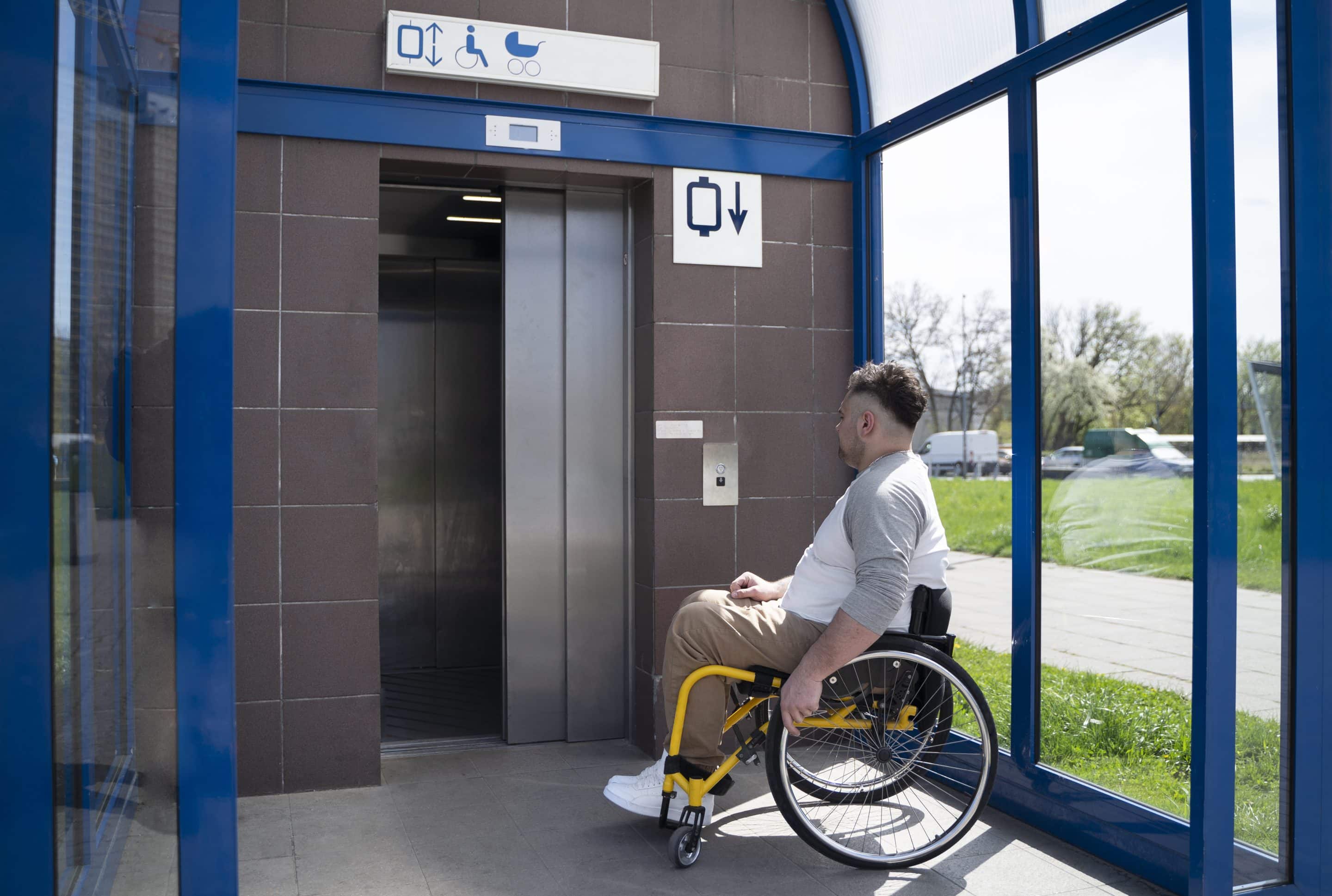
Seniors are more likely to suffer hip fractures, head injuries, and long-term rehab after a fall. Misleveling or jerky movement can be hazardous. This matters because owners must comply with the ADA and general safety requirements for accessible, reliable elevator service.
Public Buildings and Government Property
Elevator accidents in public housing, courthouses, transit systems, or city buildings may involve:
-
- shorter notice deadlines,
- specific claim procedures,
- immunity rules in some cases.
12) Why Roxell Richards Injury Law Firm
An elevator accident can leave you shaken, hurt, and overwhelmed by bills at the exact moment you should be healing. Meanwhile, building insurers often move fast, trying to get statements, suggest you were “not paying attention,” or downplay injuries from misleveling, door impacts, or short drops.
At Roxell Richards Injury Law Firm, we take elevator accident cases seriously because we know how they can affect a person’s life. We investigate every angle, including:
- whether the elevator was properly maintained,
- whether inspection violations were ignored,
- whether modern safety upgrades were skipped,
- whether a defective component caused failure,
- and which parties shared responsibility.
We work with experienced engineers and safety experts, and we prepare every case as if it were going to trial because that approach forces insurers to offer real compensation.
Strong Call to Action
If you or a loved one has been injured in an elevator accident, don’t assume the system will protect you. The building owner, maintenance contractor, or manufacturer may already be defending themselves. You deserve someone to protect you.
Contact Roxell Richards Law Firm today for a free consultation.
We’ll review what happened, explain your legal options clearly, and move quickly to preserve evidence before it disappears. There’s no obligation, just honest answers and strong advocacy.
You focus on recovery. We’ll fight for the justice and compensation you deserve.
Houston, TX z7057
Phone: (713) 974-0388
Fax: (713) 974-0003
Frequently Asked Questions
What if I fell because the elevator wasn’t level with the floor?
Can I file a claim if the elevator dropped or stopped suddenly?
Who is responsible if the elevator doors close on me?
Door-related elevator accident injuries often come from:
- Defective sensors/door operators (product defect), or
- poor maintenance/testing (negligence).
- Liability may be borne by the owner, maintenance company, or manufacturer, depending on the root cause.
What if I were hurt while working in an elevator shaft?
How long do I have to file an elevator accident claim?
Statutes of limitations vary by state, often between 1 and 3 years. But you shouldn’t wait. Evidence like surveillance footage and digital service logs can disappear quickly. Early legal help protects both your deadline and your proof.