
Houston Amusement
Park Injury Lawyer
What Should You Do After an Amusement Park Injury Accident?




Injured at an Amusement Park in Houston?
A day at an amusement park should create good memories—not an emergency room visit.
Roller coasters, water rides, carnival attractions, playground areas, food courts, and walkways can become dangerous when operators fail to inspect equipment, maintain the property, train employees, or warn guests about known hazards. When negligence causes an injury, victims may have grounds to pursue a personal injury claim for their resulting losses.
Amusement park accidents can involve multiple responsible parties, including park operators, property owners, ride manufacturers, maintenance contractors, and equipment suppliers. Depending on how the accident occurred, a case may also involve issues related to premises liability or product liability.
Roxell Richards Law Firm represents children, adults, and families harmed by preventable accidents. Our legal team investigates what happened, preserves important evidence, identifies potentially responsible parties, and pursues compensation for medical expenses, lost income, pain and suffering, disability, and other losses.
If negligence turned a family outing into a serious injury, you deserve answers.
Contact Roxell Richards Law Firm today for a free case review.
Why Choose Roxell Richards Injury Law Firm?
A serious amusement park injury can affect your health, work, finances, and family long after you leave the park.
Roxell Richards Law Firm provides client-focused representation for people harmed by negligent businesses, property owners, and other responsible parties.
Free Case Evaluation
You can discuss the accident and your legal options without paying an upfront consultation fee.
No Attorney’s Fees Unless We Win
Qualifying amusement park injury claims are generally handled on a contingency-fee basis. You do not pay attorney’s fees unless compensation is recovered for you.
Thorough Accident Investigations
Our legal team examines inspection records, maintenance documents, video footage, witness accounts, operating procedures, and other evidence related to the attraction.
Multiple-Party Liability Analysis
An amusement park accident may involve more than the park itself. We investigate manufacturers, contractors, property owners, equipment suppliers, maintenance companies, and other potentially responsible businesses.
Access to Technical Professionals
Engineers, ride-safety specialists, accident reconstruction professionals, and medical experts may be needed in serious cases.
Aggressive Insurance Negotiations
Large entertainment companies and insurers may dispute liability or claim that a guest ignored safety instructions. Roxell Richards Law Firm works to challenge defenses that are not supported by the evidence.
Trial-Ready Representation
Strong claims are prepared with litigation in mind. Thorough preparation can strengthen settlement negotiations and protect your rights if trial becomes necessary.
Personalized Client Support
Clients receive understandable explanations, updates, and guidance throughout the claims process.
Attorney Roxell Richards has more than 20 years of experience specializing in personal injury law and leads the Houston-headquartered Roxell Richards Injury Law Firm.
Amusement Park Accidents and Premises Liability
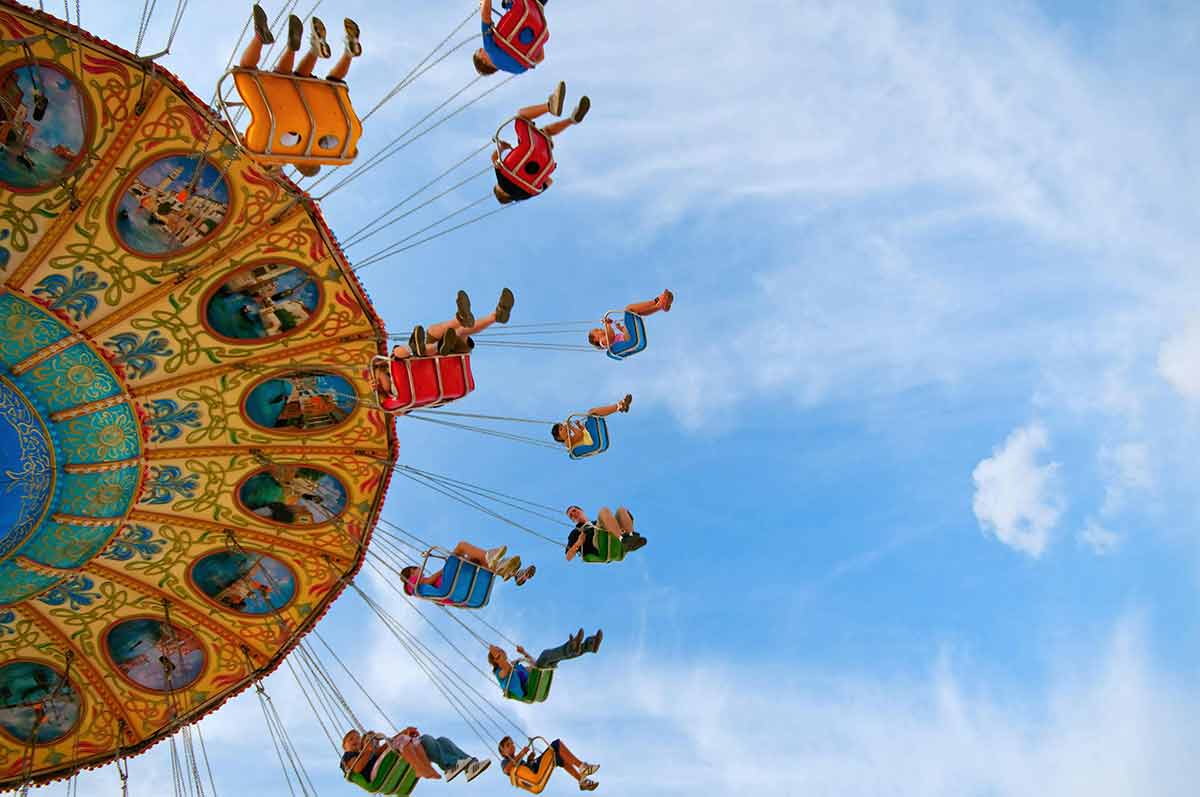
Many amusement park injuries involve more than the ride itself. Theme parks, carnivals, water parks, entertainment centers, and similar businesses must consider the safety of walkways, stairs, pools, queue areas, parking lots, restaurants, bathrooms, and other areas used by guests.
Hazards may include:
- Wet walking surfaces
- Broken stairs
- Loose handrails
- Poor lighting
- Falling objects
- Inadequate crowd control
- Unsafe swimming areas
- Exposed electrical equipment
- Unsecured gates
- Poorly maintained attractions
These situations may fall within the broader area of premises liability law.
Our Houston Premises Liability Lawyer page explains how claims may arise when a business or property owner knew—or reasonably should have known—about a dangerous condition but failed to correct it or provide an adequate warning.
An amusement park injury can also create a broader personal injury claim involving medical expenses, lost income, pain and suffering, disability, and other damages. Victims can learn more about those rights on our Houston Personal Injury Lawyer page.
Roxell Richards Law Firm examines these areas together so the investigation addresses both why the attraction or property was unsafe and how the injury has affected your life.
What Causes Amusement Park Accidents?
Amusement park injuries can result from equipment failures, unsafe property conditions, employee mistakes, or failures to enforce reasonable safety procedures.
Common causes include:
Ride Mechanical Failures
Mechanical components undergo significant stress during regular operation.
A serious accident may occur because of:
- Broken restraints
- Failed lap bars
- Defective seat belts
- Hydraulic failures
- Structural defects
- Brake failures
- Worn components
- Failed locking mechanisms
- Track defects
- Electrical malfunctions
Maintenance and inspection records may help determine whether the problem developed gradually or occurred unexpectedly.
Operator Error
Ride operators are responsible for following established procedures.
Employee mistakes may include:
- Failing to secure restraints
- Starting a ride too early
- Allowing an unsafe passenger to ride
- Ignoring height or weight restrictions
- Failing to monitor passengers
- Operating equipment too quickly
- Ignoring warning lights
- Failing to stop a malfunctioning attraction
Inadequate Employee Training
Employees should understand how to:
- Load passengers
- Check restraints
- Identify safety problems
- Perform emergency stops
- Enforce ride restrictions
- Evacuate passengers
- Respond to injuries
A poorly trained employee may not recognize a dangerous condition until someone is hurt.
Failure to Inspect Rides
Regular inspections may reveal:
- Loose components
- Worn restraints
- Structural cracks
- Electrical problems
- Corrosion
- Damaged tracks
- Hydraulic leaks
- Safety-system failures
Texas requires amusement rides covered by state law to meet inspection and insurance requirements. The Texas Department of Insurance states that amusement rides must display a compliance sticker, and covered rides must carry liability insurance for passenger injuries.
TDI also states that rides subject to Texas’s Amusement Ride Safety Inspection and Insurance Act generally require annual inspection.
Poor Maintenance
A ride may pass an inspection and still become dangerous if the operator fails to perform ongoing maintenance.
Potential issues include:
- Worn bolts
- Corroded metal
- Faulty sensors
- Damaged restraints
- Improper lubrication
- Loose connections
- Electrical defects
- Ignored warning indicators
Maintenance logs may reveal whether a park knew about recurring problems.
Defective Ride Design
Sometimes the underlying problem began before the attraction reached the park.
A ride manufacturer may be responsible when an unsafe design contributes to an accident.
Examples may include:
- Inadequate restraints
- Unsafe seating configurations
- Poor emergency systems
- Insufficient guarding
- Structural weaknesses
- Defective control systems
Inadequate Warnings
Guests need enough information to make informed decisions about participating in attractions.
Warnings may address:
- Height requirements
- Medical conditions
- Pregnancy
- Heart conditions
- Back or neck problems
- Age restrictions
- Passenger positioning
- Required restraints
Warnings should be reasonably visible and understandable.
Unsafe Walkways
Not every amusement park injury happens on a ride.
Visitors may slip or trip because of:
- Spilled drinks
- Water near rides
- Uneven pavement
- Loose flooring
- Debris
- Poor lighting
- Damaged stairs
- Missing handrails
Overcrowding and Poor Crowd Control
Large crowds can create additional hazards.
Inadequate crowd management may contribute to:
- Falls
- Crushing injuries
- Trampling
- Collisions
- Blocked exits
- Delayed emergency response
Water Park Hazards
Water parks present additional risks because guests frequently walk barefoot on wet surfaces and participate in fast-moving attractions.
Potential hazards include:
- Slippery decks
- Defective water slides
- Inadequate lifeguard coverage
- Excessive water depth
- Unsafe diving areas
- Poorly maintained pools
- Defective drains
- Insufficient warnings
- Contaminated water
How Common Are Amusement Ride Injuries?
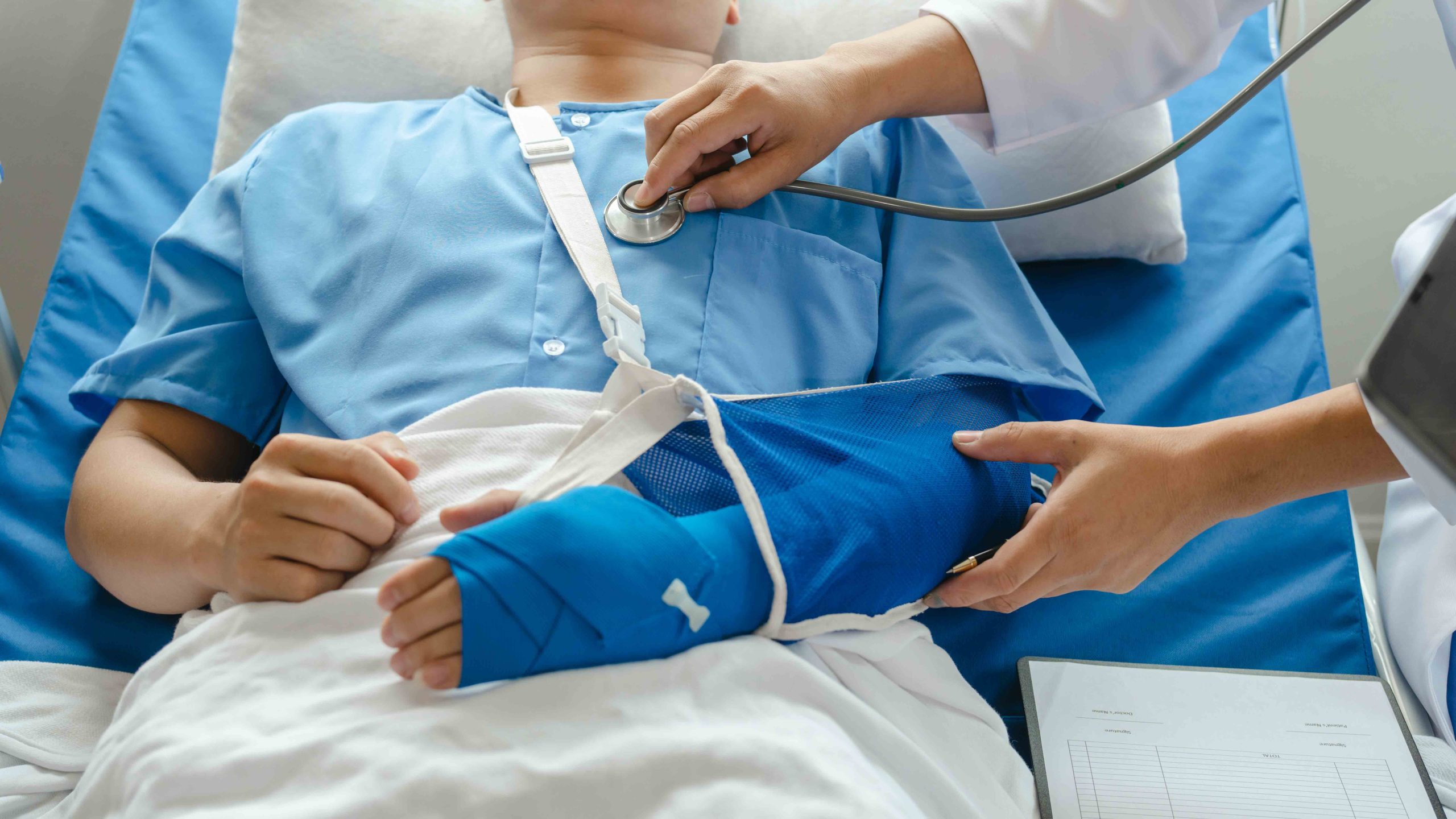
Reliable injury tracking matters because amusement attractions combine mechanical systems, high speeds, elevation, water, crowds, and human operation.
The Consumer Product Safety Commission maintains a dedicated amusement rides research program and uses the National Electronic Injury Surveillance System (NEISS) to collect injury data from participating U.S. hospital emergency departments.
For broader context, CPSC estimated that approximately 38.8 million people sought medical attention for consumer product-related injuries in 2024, an increase of approximately 7.6% from 2023.
Industry safety data are also collected separately. The International Association of Amusement Parks and Attractions produces annual fixed-site amusement ride safety reports in collaboration with safety and research organizations to monitor ride-related incidents and safety trends.
Statistics alone do not establish negligence in an individual accident. They do show why inspection, reporting, maintenance, training, and evidence preservation matter when a serious injury occurs.
Who May Be Responsible for an Amusement Park Injury?
Liability depends on why the accident happened.
Potentially responsible parties include:
Amusement Park Owners
The park owner may be responsible for unsafe operations, maintenance failures, dangerous property conditions, or inadequate safety policies.
Ride Operators
A company operating an individual attraction may be responsible for negligent loading, supervision, or operation.
Ride Manufacturers
A manufacturer may be liable when a defective design, component, restraint, or control system causes an injury.
Maintenance Companies
Some parks outsource maintenance and repairs. A maintenance contractor may be responsible when negligent inspection or repair causes equipment to fail.
Property Owners
The amusement park operator may lease the property. A separate property owner may share responsibility for certain dangerous conditions.
Contractors
Electrical companies, construction contractors, cleaning businesses, security companies, and other contractors may create hazards.
Equipment Suppliers
A supplier may become part of the investigation when defective equipment or components contributed to the accident.
Food and Beverage Vendors
Burns, contamination, slipping hazards, and other injuries may involve independently operated vendors.
More than one defendant may share responsibility for the same accident.
Evidence That Can Strengthen an Amusement Park Injury Claim
Evidence may disappear quickly after an amusement park accident.
Important evidence can include:
- Photographs
- Videos
- Surveillance recordings
- Ride inspection reports
- Maintenance records
- Employee training documents
- Incident reports
- Witness statements
- Ride operating manuals
- Manufacturer specifications
- Warning signs
- Height and weight restrictions
- Control-system data
- Electronic ride logs
- Previous complaints
- Prior accident reports
- Government records
- Medical documentation
- Damaged clothing or belongings
Preserve Your Ticket and Purchase Records
Do not discard:
- Admission tickets
- Wristbands
- Ride photographs
- Parking receipts
- Electronic tickets
- Online reservations
- Credit card statements
These records may help establish when you were at the park and which attraction you used.
Save Photos and Videos
Amusement parks are frequently photographed by guests.
Your own phone, another visitor’s device, or a park camera may have captured the accident or events immediately before it.
What Should You Do After an Amusement Park Accident?

1. Get Medical Attention
Ask park personnel for emergency medical assistance when necessary.
For serious injuries, call 911 or go to an emergency department.
Do not assume that pain will disappear after leaving the park. Head, neck, back, and internal injuries may not be immediately obvious.
2. Report the Accident
Notify park management.
Ask for an incident report and record:
- The employee’s name
- The attraction
- The location
- The time
- The report number
3. Photograph the Scene
When it is safe, photograph:
- The ride
- Your seat
- Restraints
- Warning signs
- The loading area
- Unsafe flooring
- Broken components
- Your injuries
4. Identify Witnesses
Obtain names, phone numbers, and email addresses from people who saw what happened. Do not assume the amusement park will provide witness information later.
5. Keep Your Ticket or Wristband
Save all proof showing that you were present.
6. Preserve Clothing and Personal Items
Keep torn clothing, damaged glasses, shoes, phones, or other items affected during the incident.
7. Do Not Sign a Release Without Understanding It
A park representative or insurance company may offer compensation or ask you to sign paperwork. Understand what rights you may be giving up before signing.
8. Avoid Detailed Recorded Statements
Insurance adjusters may ask questions before the full investigation or medical evaluation is complete. Consider obtaining legal advice before providing a detailed recorded statement.
9. Avoid Social Media Posts
Do not publicly speculate about:
- The cause of the accident
- Your injuries
- Who was responsible
- Your physical recovery
Social media content can be taken out of context.
10. Contact an Amusement Park Injury Lawyer
A lawyer can request surveillance footage, inspection reports, maintenance records, and other evidence before it becomes unavailable.
What Compensation May Be Available?
Compensation depends on the injuries, evidence, responsible parties, insurance coverage, and long-term consequences.
Medical Expenses
A claim may include:
- Ambulance transportation
- Emergency treatment
- Hospitalization
- Surgery
- Diagnostic testing
- Medication
- Physical therapy
- Rehabilitation
- Medical equipment
- Psychological treatment
- Future medical care
Lost Wages
An injured person may recover income lost while receiving treatment or recovering.
Reduced Earning Capacity
A serious or permanent injury may affect the ability to perform the same job or earn the same income.
Pain and Suffering
Compensation may account for physical pain and the disruption the injury causes.
Emotional Distress
A frightening amusement park accident can cause:
- Anxiety
- Nightmares
- Panic
- Depression
- Post-traumatic stress
- Fear of rides or crowded public places
Disability and Physical Impairment
Spinal injuries, fractures, neurological damage, and other conditions may permanently limit movement or independence.
Scarring and Disfigurement
Burns, cuts, surgery, and other injuries may leave permanent scars.
Loss of Enjoyment of Life
An injury can prevent someone from participating in sports, hobbies, travel, family activities, and other parts of life.
Wrongful Death Damages
When an amusement park accident causes a death, eligible family members may have the right to seek compensation for losses related to the death.
No attorney can guarantee a specific settlement or verdict. Every case depends on its individual facts.

What If You Were Partially Responsible?

Texas personal injury cases generally apply a modified comparative responsibility rule.
A claimant who is 50% or less responsible may generally recover damages, although the amount may be reduced according to the claimant’s percentage of responsibility.
For example, if damages total $100,000 and the injured person is found 20% responsible, the potential recovery may be reduced to $80,000.
A claimant found more than 50% responsible generally cannot recover damages from the other responsible parties under this rule.
Insurance companies may use comparative fault allegations to reduce what they pay, which makes evidence about ride operation and safety instructions especially important.
Speak With a Houston Amusement Park Injury Lawyer Today
An amusement park accident can turn a family outing into months or years of medical care, pain, lost income, and uncertainty. You deserve a legal team that will investigate just as quickly.
Roxell Richards Law Firm can examine the attraction, preserve evidence, obtain inspection and maintenance records, identify responsible parties, and pursue compensation for your injuries.
Because amusement park claims may also involve unsafe property conditions, you can learn more about owner and operator responsibilities through our Houston Premises Liability Lawyer resource.
For broader information about compensation after an injury caused by negligence, visit our Houston Personal Injury Lawyer page.
Contact Roxell Richards Law Firm today for a free case review.
Texas Office:
6420 Richmond Ave., Suite 135Houston, TX 77057
Call:
(713) 974-0388
Free case review. No attorney’s fees unless compensation is recovered.

Attorney Roxell Richards
This Houston Personal Injury Lawyer service page is provided by Roxell Richards Law Firm, a Texas-based personal injury law firm representing individuals and families harmed by negligence, unsafe conditions, defective products, and other preventable incidents. The firm helps injury victims understand their legal rights, navigate insurance and liability claims, and pursue fair compensation for their injuries and losses.
Roxell Richards, attorney and founder of Roxell Richards Law Firm, brings more than 20 years of experience representing clients in personal injury and civil litigation matters across Texas. His practice includes cases involving serious injuries, disputed liability, insurance coverage issues, and complex claims. The firm’s legal approach emphasizes clear communication, individualized case evaluation, and client-focused representation at every stage of the legal process.
The information provided on this page is for general informational purposes only and does not constitute legal advice. For guidance regarding a specific injury or potential claim, individuals are encouraged to consult with a Houston personal injury lawyer.



















LEARN YOUR PERSONAL INJURY ACCIDENT RIGHT NOW!
CASE RESULTS
Roxell Richards Injury Law Firm is here to help after a motorcycle accident. Our attorneys understand the complexities of these cases and will fight for your rights and full compensation with dedication. Trust us to protect your interests every step of the way.
$3 Million
SETTLEMENT
CAR ACCIDENT
$550,000
SETTLEMENT
MOTORCYCLE ACCIDENT
$600,000
SETTLEMENT
TRUCK ACCIDENT
$541,329
JURY VERDICT
MINOR CAR ACCIDENT
RELATED
PRACTICE AREAS
Personal Injury Accidents