
Houston Construction
Accident Lawyer
What Should You Do After a Workplace Injuries?
















Construction workers work every day under hazardous conditions. Improper safety procedures could lead to devastating injuries from ladders, scaffolding, cranes, heavy machinery, electrical systems, trenches, power tools and moving vehicles.
A construction accident may leave you facing surgery, rehabilitation, lost income, permanent disability, or uncertainty about whether you can return to the same type of work.
Roxell Richards Law Firm represents injured workers and families after serious workplace accidents. We investigate what happened, determine whether an employer, contractor, property owner, equipment manufacturer, or another party may be responsible, and pursue the compensation available under the circumstances.
Contact Roxell Richards Law Firm today for a free case review.
Why Choose Roxell Richards Injury Law Firm?
A construction accident can put an injured worker against contractors, corporations, and insurance carriers with substantial resources.
More Than 20 Years of Personal Injury Experience
Roxell Richards Injury Law Firm states that it has approximately 20 years of experience representing people injured because of negligence.
Free Case Evaluation
You can discuss your construction accident, injuries, and possible legal options without paying an upfront consultation fee.
No Attorney’s Fees Unless We Win
Qualifying workplace injury cases are handled on a contingency-fee basis. You do not pay attorney’s fees unless compensation is recovered.
Detailed Accident Investigations
Our law firm can review site conditions, safety practices, equipment logs, contracts, video surveillance, and witness statements.
Identification of Third Parties
Workers’ compensation may not be the only potential source of recovery. A contractor, manufacturer, property owner, or another third party may share responsibility.
Access to Qualified Professionals
Depending on the accident, the claim may include engineers, construction-safety experts, physicians, vocational specialists, economists, or accident reconstruction workers.
Trial-Ready Representation
Serious claims should be prepared for litigation. Thorough preparation can strengthen negotiations and protect you if a fair settlement cannot be reached.

How Dangerous Is Construction Work?
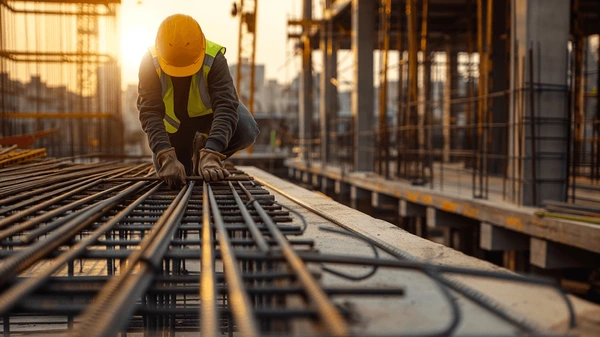
Construction continues to account for a large share of fatal workplace injuries.
According to the Bureau of Labor Statistics:
- 1,034 private-sector construction workers died from workplace injuries in 2024
- 389 construction deaths involved falls, slips, or trips
- Approximately 95.9% of fatal construction falls, slips, and trips involved falls to a lower level
- Construction accounted for 48.8% of all fatal falls, slips, and trips in private industry
The broader U.S. workforce recorded 5,070 fatal occupational injuries in 2024, meaning a worker died from a job-related injury approximately every 104 minutes.
These numbers show why construction employers and contractors must take safety procedures seriously.
OSHA’s Major Construction Hazards
The Occupational Safety and Health Administration identifies four major hazards that repeatedly cause fatal construction accidents:
- Falls
- Struck-by accidents
- Electrocutions
- Caught-in or caught-between accidents
OSHA training materials continue to focus heavily on these four hazards because of their role in construction deaths.
Falls From Heights
Falls are one of the most serious construction-site hazards.
Workers may fall from:
- Scaffolding
- Roofs
- Ladders
- Elevated platforms
- Steel structures
- Cranes
- Floor openings
- Unprotected edges
A fall may cause:
- Traumatic brain injuries
- Spinal cord damage
- Broken bones
- Internal injuries
- Paralysis
- Death
Falls are particularly concerning because they remain the leading category of fatal construction events.
Safety measures may include guardrails, properly maintained scaffolds, personal fall-arrest systems, secure ladders, and protected openings.
Scaffolding Accidents
Workers rely on scaffolding to perform tasks at significant heights.
Accidents may happen because of:
- Improper assembly
- Missing guardrails
- Weak platforms
- Excessive loads
- Defective components
- Inadequate fall protection
- Poor maintenance
- Unstable foundations
Responsibility may involve the employer, general contractor, scaffolding contractor, manufacturer, or another company depending on who supplied, assembled, inspected, and controlled the system.
Struck-By Accidents
Construction workers may be struck by:
- Falling tools
- Building materials
- Vehicles
- Cranes
- Excavators
- Swinging loads
- Equipment components
Even hard hats and other protective equipment cannot eliminate every risk.
A heavy object falling from an elevated location can cause brain injuries, spinal trauma, fractures, or death.
Caught-In or Caught-Between Accidents
Workers can become trapped between equipment, structures, vehicles, or collapsing materials.
Examples include:
- Machinery entanglement
- Trench collapses
- Workers pinned between vehicles
- Structural collapses
- Workers caught between moving equipment and walls
These accidents can cause crush injuries, amputations, internal injuries, or death.
Trench and Excavation Accidents
Excavation work has its own peculiar dangers. OSHA lists cave-ins as the primary hazard in trenching operations and recommends protective methods such as sloping, benching, shoring, or shielding depending on site conditions.
Other trench hazards include:
- Falling materials
- Heavy equipment
- Underground utilities
- Hazardous atmospheres
- Standing water
- Electrical hazards
Houston-area incidents demonstrate how serious these risks can become. OSHA investigated a fatal 2023 trench collapse near Fulshear and concluded that the worker had been permitted to enter a 15-foot excavation without an adequate protective system.
Electrocution and Electrical Injuries
Construction workers frequently perform tasks around overhead power lines, temporary electrical systems, tools, generators, and exposed wiring.
Electrical accidents may cause:
- Severe burns
- Cardiac injuries
- Nerve damage
- Falls
- Amputation
- Death
OSHA recommends identifying utilities before work begins and maintaining appropriate distances from overhead power lines.
Crane and Heavy Equipment Accidents
Construction sites may use:
- Cranes
- Excavators
- Bulldozers
- Loaders
- Forklifts
- Backhoes
- Dump trucks
Accidents may happen because of:
- Operator error
- Poor visibility
- Inadequate communication
- Mechanical failure
- Overloaded equipment
- Improperly secured loads
- Inadequate training
A negligent equipment operator, contractor, maintenance company, or manufacturer may share responsibility.
Ladder Accidents
Ladders may become dangerous when workers use:
- Damaged ladders
- Incorrect ladder types
- Improper placement
- Unstable surfaces
- Ladders without adequate support
Workers may also be injured when employers fail to provide safer equipment for tasks requiring extended work at height.
Construction Vehicle Accidents
Construction workers may be struck by:
- Dump trucks
- Delivery vehicles
- Excavators
- Forklifts
- Concrete trucks
- Roadwork vehicles
Blind spots and congested worksites can increase the risk.
Drivers and contractors should maintain safe traffic patterns and protect pedestrian workers.
Fires and Explosions
Construction work may involve welding, fuel, electricity, gas lines, chemicals, and combustible materials.
Fires and explosions may result from:
- Gas leaks
- Welding sparks
- Electrical failures
- Improper fuel storage
- Chemical exposure
- Inadequate ventilation
Severe burns may require skin grafts, reconstructive surgery, rehabilitation, and long-term treatment.
Who May Be Responsible for a Construction Accident?
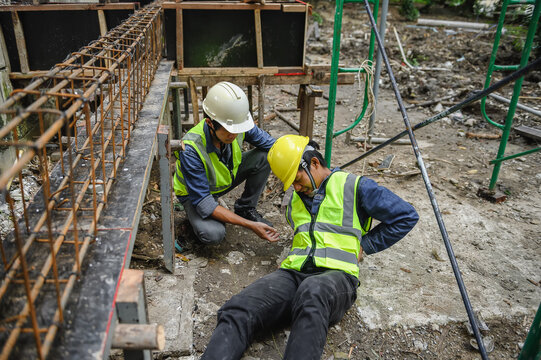
Responsibility depends on who controlled the work, equipment, and hazardous condition.
General Contractors
General contractors may be responsible when unsafe site management, coordination, or safety procedures contribute to an accident.
Subcontractors
A subcontractor may create a hazard that injures an employee of another company.
Property Owners
Property owners may be responsible for certain dangerous conditions under their control.
Equipment Manufacturers
A manufacturer may be liable if defective machinery, tools, scaffolding, harnesses, or other equipment caused the injury.
Equipment Rental Companies
Rental companies may share responsibility when they provide unsafe or improperly maintained equipment.
Maintenance Contractors
A company hired to inspect or repair machinery may be responsible when negligent maintenance contributes to an accident.
Architects and Engineers
Design or engineering failures may contribute to structural collapses or other dangerous conditions.
Several parties may sometimes share liability for the same construction accident.
Workers’ Compensation and
Construction Accidents in Texas
Workers’ compensation is an important part of many construction injury cases, but Texas differs from most states.
The Texas Department of Insurance states that most private employers in Texas are not required to carry workers’ compensation insurance. Employers that do carry workers’ compensation are generally referred to as subscribers.
Workers’ compensation may provide benefits such as:
- Medical treatment
- Partial replacement of lost wages
- Certain disability benefits
- Death benefits in qualifying cases
Whether workers’ compensation applies depends on the employer’s coverage and the circumstances of the accident.

What Compensation May Be Available?
Depending on the type of claim, compensation may address:
Medical Expenses
Including hospital care, surgery, medication, rehabilitation, therapy, medical equipment, and future treatment.
Lost Income
Compensation may account for wages lost while recovering.
Reduced Earning Capacity
A permanent injury may prevent a construction worker from returning to the same trade or earning the same income.
Pain and Suffering
Third-party and certain other claims may provide compensation for physical pain and disruption to daily life.
Disability and Physical Impairment
Severe injuries can limit mobility, strength, independence, and ability to work.
Scarring and Disfigurement
Burns, amputations, and surgical injuries may cause permanent visible changes.
Wrongful Death
When a construction accident is fatal, eligible family members may have claims involving financial support, companionship, and other losses.
What Is a Third-Party Construction Accident Claim?
A third-party claim is a personal injury case against someone other than the injured worker’s direct employer.
For example:
A roofer may be injured because another contractor improperly assembled scaffolding.
An electrician may be struck by equipment operated by another company’s employee.
A construction worker may suffer an amputation because of defective machinery.
In these situations, the injured worker may have claims beyond workers’ compensation.
Potential third parties include:
- General contractors
- Subcontractors
- Equipment manufacturers
- Property owners
- Commercial drivers
- Maintenance companies
Third-party claims may allow recovery for damages that traditional workers’ compensation does not typically cover, including pain and suffering.
For additional information about overlapping workplace claims, visit our Houston Workplace Injury Lawyer page.
Common Construction Accident Injuries
Construction accidents can cause:
- Traumatic brain injuries
- Spinal cord injuries
- Paralysis
- Broken bones
- Crush injuries
- Amputations
- Severe burns
- Electrical injuries
- Internal organ damage
- Eye injuries
- Hearing loss
- Neck and back injuries
- Nerve damage
- Torn muscles and ligaments
- Permanent scarring
- Psychological trauma
- Wrongful death
A serious injury may prevent someone from returning to physical construction work even after extensive rehabilitation.

Evidence That May Strengthen Your Claim
Construction accident claims often depend on evidence showing how the accident happened, who controlled the worksite, and whether safety rules were followed.
Useful evidence may include:
- Accident-scene photographs – Images of the work area, machinery, scaffolding, ladders, floor openings, debris, warning signs, or other hazards can help document conditions before they are changed.
- Surveillance or jobsite video – Security cameras, dashcams, body cameras, or project-monitoring systems may capture the accident itself or show what happened immediately beforehand.
- Incident reports – Reports prepared by a supervisor, safety manager, contractor, or employer may contain important details about the time, location, witnesses, and suspected cause of the accident.
- Witness statements – Coworkers, subcontractors, delivery drivers, or others on the site may be able to describe unsafe conditions, missing safety equipment, or what they saw happen.
- Safety manuals and written procedures – Company safety policies can help show what procedures workers and supervisors were expected to follow.
- OSHA records – Inspection reports, citations, complaints, or prior violations may provide important context when workplace safety practices are disputed. OSHA requires covered employers to follow federal workplace safety standards designed to reduce recognized hazards.
- Training documents – Records showing whether workers received required training may become important in accidents involving forklifts, cranes, electrical systems, fall protection, scaffolding, or other specialized work.
- Equipment inspection records – Inspection logs can help determine whether machinery, ladders, scaffolds, harnesses, or heavy equipment were properly checked before use.
- Maintenance and repair records – These documents may reveal recurring equipment problems, delayed repairs, or earlier warnings that were not addressed.
- Contractor agreements – Construction projects often involve several companies. Contracts can help determine which contractor was responsible for supervision, safety, equipment, or a particular part of the worksite.
- Work orders and jobsite communications – Emails, text messages, daily logs, work orders, or safety meeting notes may show that a dangerous condition had already been reported.
- Medical records – Emergency room records, diagnostic imaging, surgery reports, rehabilitation notes, and physician evaluations help connect the accident to the injuries and document their severity.
- Damaged safety equipment – A broken harness, helmet, ladder, tool, or machine component may become important physical evidence and should be preserved when possible.
- Prior complaints or accidents – Earlier reports involving the same hazard, equipment, contractor, or work area may help show that the danger was known before the accident occurred.
A construction accident attorney may be able to request or preserve records held by contractors and other companies.
What Should You Do After a Construction Accident?
1. Get Medical Treatment
Seek immediate medical attention and tell the provider that the injury happened at work.
2. Report the Accident
Notify your employer or supervisor promptly and keep a copy of any written incident report.
3. Document the Scene
When it is safe, photograph the equipment, hazard, work area, protective gear, and visible injuries.
4. Identify Witnesses
Collect personal contact information from coworkers and others who saw what happened.
5. Preserve Safety Equipment
Keep damaged helmets, harnesses, boots, gloves, or other protective equipment when possible.
6. Follow Medical Restrictions
Attend appointments and follow work restrictions provided by healthcare professionals.
7. Be Careful With Statements
An insurer or company representative may request a recorded statement. Consider obtaining legal advice before signing releases or giving detailed statements.
8. Contact a Construction Accident Lawyer
An attorney can investigate workers’ compensation coverage, potential third-party liability, and available insurance.
Speak With a Houston Construction Accident Lawyer Today
A construction accident can leave you dealing with medical bills, lost income, physical pain, and uncertainty about whether you can continue working in your trade.
Meanwhile, contractors, employers, and insurance companies may begin investigating the accident immediately.
Roxell Richards Law Firm can investigate the construction site, preserve evidence, determine workers’ compensation status, identify negligent third parties, and pursue the compensation available based on your circumstances.
Construction accidents fall within the firm’s broader workplace practice. To learn more about employer coverage, third-party negligence, benefits, and other work-related injuries, visit our Houston Workplace Injury Lawyer page.
Contact Roxell Richards Law Firm today for a free case review.
Roxell Richards Injury Law Firm
6420 Richmond Ave., Ste. #135
Houston, TX 77057
📞 (713) 974-0388
Free case review. No attorney’s fees unless compensation is recovered.

Attorney Roxell Richards
This Houston Personal Injury Lawyer service page is provided by Roxell Richards Law Firm, a Texas-based personal injury law firm representing individuals and families harmed by negligence, unsafe conditions, defective products, and other preventable incidents. With a focus on Texas personal injury law, the firm helps injury victims understand their legal rights, navigate insurance and liability claims, and pursue compensation for their injuries and losses.
Roxell Richards, attorney and founder of Roxell Richards Law Firm, brings more than 20 years of experience representing clients in personal injury and civil litigation matters across Texas. Her practice includes serious and catastrophic injuries, wrongful death, disputed liability, insurance coverage issues, and complex claims involving multiple responsible parties. The firm emphasizes clear communication, individualized case evaluation, and client-focused representation throughout the legal process.
The information provided on this page is for general informational purposes only and does not constitute legal advice. Individuals injured because of another party’s negligence are encouraged to consult with a Houston personal injury lawyer regarding their specific circumstances.



















LEARN YOUR WORKPLACE INJURY ACCIDENT RIGHT NOW!
CASE RESULTS
$3 Million
SETTLEMENT
CAR DEFECT ACCIDENT
$1 Million
SETTLEMENT
TRUCK ACCIDENT
$2 Million
SETTLEMENT
TRUCK ACCIDENT
$541,329
JURY VERDICT
MINOR CAR ACCIDENT
RELATED
PRACTICE AREAS
Workplace Injury Accidents