
HoustonOilfield
Accident Lawyer
What Should You Do After a Workplace Injuries?
















Injured in a Houston Oilfield Accident?
Oilfield work is physically demanding and potentially dangerous.
Workers may be working in close range to heavy machinery, high pressure lines, electrical systems, drilling equipment, moving pipe, flammable material and vehicles. Equipment failure or not complying with proper safety procedures can turn a routine task into a serious accident in seconds.
At Roxell Richards Law Firm, we represent severely injured workers and families on the job. We investigate the facts surrounding the oilfield accident, identify potentially responsible companies, preserve evidence, and pursue any available compensation.
If you were injured while drilling, servicing a well, transporting equipment, maintaining machinery, or performing another oilfield job, you may have legal options.
Contact Roxell Richards Law Firm today for a free case review.
Why Choose Roxell Richards Injury Law Firm?
Oilfield accident cases can involve operators, drilling contractors, equipment manufacturers, transportation companies, and insurers with significant resources.
More Than 20 Years of Personal Injury Experience
Attorney Roxell Richards has 20+ years of experience specializing in personal injury law and leads Roxell Richards Injury Law Firm from Houston.
Free Case Evaluation
You can discuss the accident, your injuries, and potential legal options without paying an upfront consultation fee.
Detailed Accident Investigation
Oilfield cases may require examination of equipment records, maintenance histories, safety procedures, contractor agreements, witness accounts, and electronic information.
Multiple-Party Liability Analysis
Your current employer may not be the only company that is responsible. The accident may also involve a drilling contractor, well operator, equipment manufacturer, maintenance provider or transportation company.
Long-Term Damage Evaluation
Brain injuries, spinal trauma, burns, amputations, and crush injuries may prevent a worker from returning to physically demanding oilfield work.
Future medical treatment, rehabilitation, disability, and reduced earning ability should be considered when evaluating a serious claim.
Trial-Ready Representation
When companies or insurance carriers dispute liability or refuse fair compensation, Roxell Richards Law Firm can prepare the claim for litigation.

Oilfield Accidents Within Our Workplace Injury Practice

Oilfield accidents fall within the broader area of workplace injury law.
An injured worker may qualify for workers’ compensation benefits if the employer carries coverage. However, oil and gas operations commonly involve several contractors and outside companies working at the same site.
That means a separate third-party claim may also be possible.
For example, a worker may be injured because:
- Another contractor operates machinery negligently
- A transportation company causes a vehicle crash
- A manufacturer supplies defective equipment
- A maintenance company fails to repair a known problem
- Another company creates a dangerous high-pressure condition
Roxell Richards Law Firm handles these cases through its broader Houston Workplace Injury Lawyer practice.
The parent Workplace Injury page addresses work-related accidents, employer coverage, unsafe equipment, third-party negligence, and other issues that may overlap with an oilfield injury claim.
Looking beyond the worker’s immediate employer can help identify every party that may share responsibility.
Common Causes of Oilfield Accidents
Vehicle Accidents
Oilfield workers and equipment frequently travel long distances between wellsites, yards, and other locations.
OSHA identifies vehicle collisions as a significant hazard in oil and gas extraction because workers often travel to remote sites.
Accidents may involve:
- Pickup trucks
- Commercial trucks
- Tankers
- Equipment trailers
- Heavy machinery
Driver fatigue, speeding, poor road conditions, and inadequate vehicle maintenance can contribute to serious crashes.
Struck-By Accidents
Workers may be struck by moving equipment, pipe, tools, vehicles, or other materials.
Potential hazards include:
- Swinging loads
- Falling pipe
- Moving drilling equipment
- Forklifts
- Cranes
- Trucks
Even a relatively small object can cause severe injuries when it falls from height or moves with substantial force.
Caught-In or Caught-Between Accidents
Oilfield workers may become trapped between machinery, pipe, vehicles, or other heavy equipment.
These accidents can cause:
- Crush injuries
- Broken bones
- Internal injuries
- Amputations
- Death
Careful equipment operation and clear communication are important when workers are positioned near moving machinery.
Explosions and Fires
Oil and gas operations involve flammable hydrocarbons and other materials capable of igniting.
Potential causes include:
- Gas releases
- Equipment failures
- Electrical sparks
- Welding
- Pressure-system failures
- Poor ventilation
- Improper chemical handling
OSHA specifically identifies explosions and fires as significant hazards during oil and gas extraction activities.
High-Pressure Equipment Failures
Oilfield workers frequently operate around high-pressure lines, pumps, hoses, valves, and well-control equipment.
A sudden pressure release can cause equipment or materials to move violently.
Potential causes include:
- Failed hoses
- Defective valves
- Improper connections
- Excessive pressure
- Poor maintenance
- Damaged equipment
High-pressure incidents can result in penetrating injuries, fractures, burns, or death.
Drilling Equipment Accidents
Drilling operations involve powerful machinery and rotating equipment.
Workers may be injured by:
- Rotary equipment
- Drill pipe
- Draw works
- Tongs
- Pumps
- Hoisting systems
Missing guards, equipment defects, improper operation, or unexpected movement can cause serious injuries.
Falls From Height
Oilfield workers may perform tasks on elevated platforms, derricks, ladders, tanks, or other structures.
Falls may occur because of:
- Missing guardrails
- Defective ladders
- Inadequate fall protection
- Slippery surfaces
- Poor lighting
- Unsafe access
BLS recorded 844 fatal falls, slips, and trips across U.S. workplaces in 2024, highlighting the broader danger posed by fall hazards.
Electrical Accidents
Oilfield workers may work near generators, motors, electrical systems, power lines, and energized equipment.
Electrical accidents may cause:
- Burns
- Cardiac injuries
- Nerve damage
- Falls
- Electrocution
Confined-Space Accidents
Tanks, pits, vessels, and other enclosed areas may contain dangerous atmospheres.
Potential hazards include:
- Low oxygen
- Toxic gases
- Flammable vapors
- Difficult emergency access
Workers entering confined spaces may require atmospheric testing, proper ventilation, rescue planning, and other safety precautions.
Drilling and Well-Servicing Accidents
Drilling and servicing operations involve several specialized activities.
Workers may be injured during:
- Drilling
- Well completion
- Workovers
- Well servicing
- Cementing
- Logging
- Pipe handling
- Equipment maintenance
These statistics demonstrate why companies involved in drilling and well servicing must carefully manage machinery, transportation, stored energy, pressure systems, and worker training.
How Dangerous Is Oilfield Work?
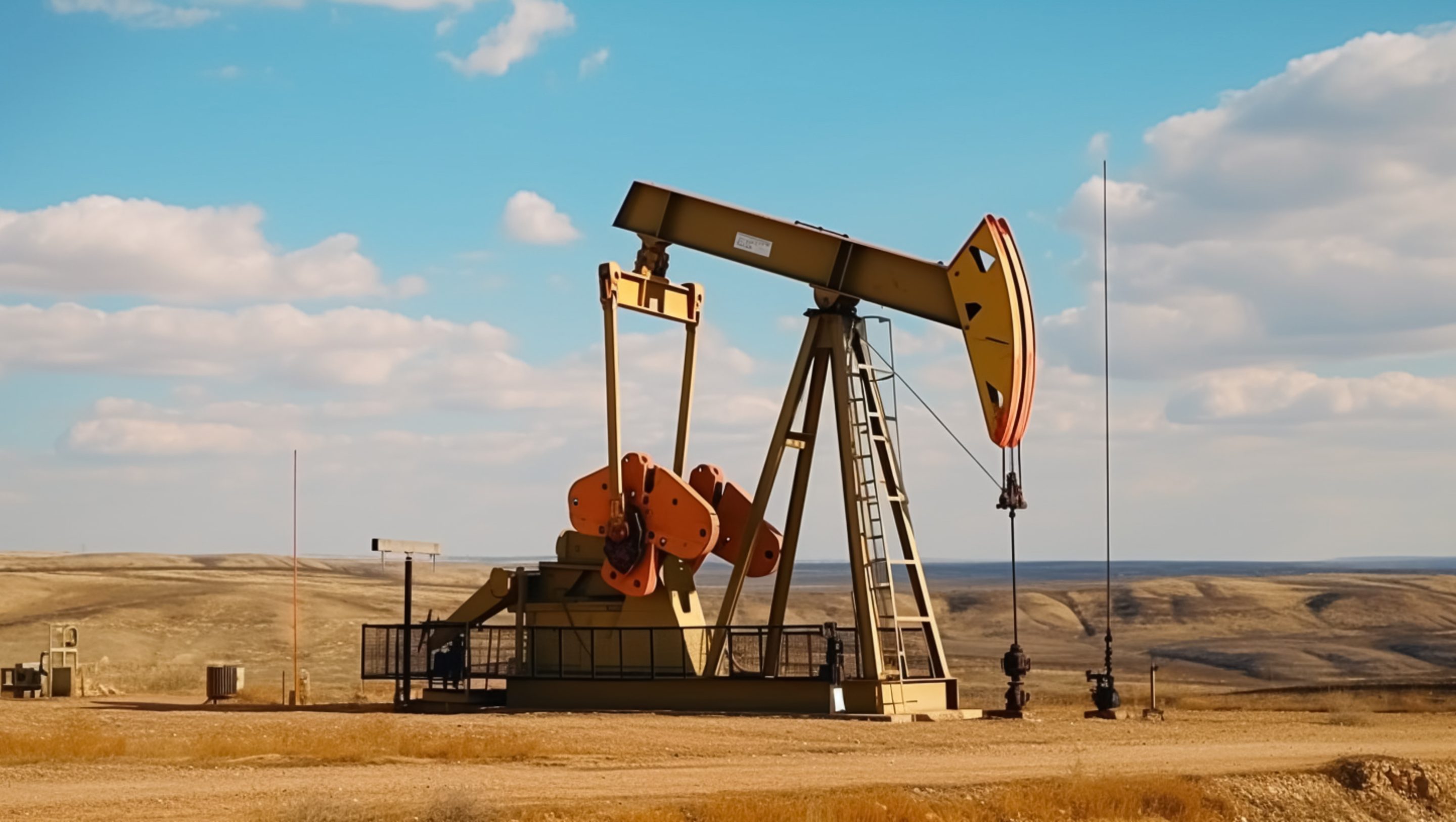
Oil and gas workers face hazards very different from those found in a typical workplace.
BLS recorded 65 deaths across oil and gas extraction industries in 2024. That total included oil and gas extraction itself, drilling oil and gas wells, and support activities for oil and gas operations.
The broader mining, quarrying, and oil and gas extraction sector recorded 92 fatalities in 2024 and had a fatal injury rate of 13.8 deaths per 100,000 full-time-equivalent workers.
By comparison, the overall U.S. workplace fatality rate was 3.3 per 100,000 workers in 2024.
OSHA identifies several major hazards associated with oil and gas drilling and servicing, including:
- Vehicle collisions
- Struck-by accidents
- Caught-in or caught-between incidents
- Explosions and fires
- Falls
- Confined spaces
- High-pressure equipment
- Electrical hazards
- Machinery hazards
These risks can occur during drilling, servicing, transportation, maintenance, and other oilfield operations.
Workers’ Compensation and Third-Party Oilfield Claims
An oilfield worker may have more than one possible source of compensation.
When an employer carries workers’ compensation insurance, benefits may cover medical treatment and part of the worker’s lost income.
But workers’ compensation may not be the only option.
A separate third-party claim may be available when someone outside the worker’s direct employer contributes to the accident.
For example:
A drilling worker may be injured by defective equipment manufactured by another company.
A service worker may be struck by machinery operated by another contractor.
An oilfield employee may be injured in a crash caused by a third-party truck driver.
Potential third parties include:
- Operators
- Contractors
- Equipment manufacturers
- Maintenance providers
- Transportation companies
- Property owners
Third-party claims may allow compensation for damages that traditional workers’ compensation generally does not cover.
For more information about these overlapping claims, visit our Houston Workplace Injury Lawyer parent page.
Common Oilfield Accident Injuries
Oilfield accidents can cause severe and permanent injuries, including:
- Traumatic brain injuries
- Spinal cord injuries
- Paralysis
- Crush injuries
- Amputations
- Severe burns
- Broken bones
- Internal bleeding
- Organ damage
- Electrical injuries
- Eye injuries
- Hearing loss
- Respiratory injuries
- Chemical exposure
- Nerve damage
- Permanent disability
- Scarring and disfigurement
- Wrongful death
Some injuries may permanently prevent workers from returning to drilling, equipment operation, or other physically demanding oilfield jobs.
Evidence That May Strengthen Your Oilfield Accident Claim
Oilfield claims often depend on technical records and evidence held by several companies.
Accident-Scene Photographs
Photographs may document damaged machinery, leaking equipment, pressure lines, vehicles, missing guards, unsafe platforms, or other conditions.
Surveillance and Site Video
Video may show how machinery was operating or what happened immediately before the accident.
Incident Reports
Employer and contractor reports may identify witnesses, equipment involved, and preliminary explanations for the incident.
Inspection Records
Equipment inspection histories may reveal defects or safety problems identified before the accident.
Maintenance Records
Repair documents may show recurring mechanical issues or maintenance that was delayed.
Training Records
Training documentation can help to identify if workers were properly trained to operate machinery, pressure systems, vehicles or hazardous tasks.
Contractor Agreements
Contracts may show which company controlled equipment, transportation, maintenance, or a particular work activity.
Equipment Data
Electronic systems may contain information about equipment operation, pressure, speed, or other conditions surrounding the accident.
Witness Statements
Coworkers may have observed equipment problems, earlier complaints, or unsafe practices.
OSHA Records
Inspection reports, citations, or safety complaints may provide additional context regarding workplace conditions.
Medical Records
Emergency treatment, imaging, surgery reports, and rehabilitation records help document the nature and severity of injuries.
Why Early Evidence Preservation Matters?
Oilfield worksites can change rapidly after an accident. Machinery may be repaired. Vehicles can be moved. Damaged hoses or valves may be replaced. Equipment can return to service.
Electronic records and video may also be overwritten.
A Houston oilfield accident lawyer may send preservation notices requesting that operators, contractors, manufacturers, and other companies retain equipment, records, video, and electronic information.
Never place yourself in danger or interfere with an active oilfield site to gather evidence.

What Compensation May Be Available?
Available compensation depends on the type of claim involved.
Medical Expenses
A claim may address:
- Emergency treatment
- Hospitalization
- Surgery
- Diagnostic testing
- Medication
- Rehabilitation
- Physical therapy
- Medical equipment
- Future care
Lost Income
An injured worker may seek compensation for wages lost while receiving treatment and recovering.
Reduced Earning Capacity
A permanent injury may prevent someone from returning to physically demanding oilfield work.
Pain and Suffering
A qualifying third-party claim may include compensation for physical pain and the effects of the injury on everyday life.
Physical Impairment
Brain injuries, spinal trauma, amputations, and other serious conditions can permanently affect mobility and independence.
Scarring and Disfigurement
Burns, amputations, and surgery may leave permanent physical changes.
Wrongful Death
When an oilfield accident is fatal, eligible family members may have claims involving lost financial support, companionship, and other damages.
What Should You Do After an Oilfield Accident?
1. Seek Medical Treatment
Get medical attention as soon as possible.
Some brain, spinal, internal, and exposure-related injuries may not immediately produce obvious symptoms.
2. Report the Accident
Notify your supervisor or employer and request a copy of any written incident report.
3. Document the Scene
When it is safe, photograph equipment, vehicles, pressure lines, work areas, and visible hazards.
4. Identify Witnesses
Collect personal contact information from coworkers and others who saw what happened.
5. Preserve Safety Equipment
Keep damaged helmets, gloves, harnesses, boots, protective clothing, or other equipment when possible.
6. Follow Medical Restrictions
Attend appointments and comply with restrictions provided by healthcare professionals.
7. Be Careful With Recorded Statements
Insurance companies and corporate representatives may request statements soon after the accident.
Consider obtaining legal advice before signing releases or giving detailed recorded statements.
8. Contact a Houston Oilfield Accident Lawyer
An attorney can investigate employer coverage, contractor responsibility, defective equipment, transportation issues, and potential third-party claims.
Who May Be Responsible for an Oilfield Accident?

Oilfield injury claims frequently involve several companies.
Oil and Gas Operators
The well operator may control major aspects of the worksite and may be responsible for certain hazardous conditions or operational decisions.
Drilling Contractors
A drilling contractor may be responsible for unsafe equipment, inadequate training, negligent operation, or dangerous work practices.
Service Companies
Specialized companies may perform:
- Cementing
- Logging
- Well servicing
- Maintenance
- Equipment installation
Negligence by one service company may injure employees working for another business.
Equipment Manufacturers
Manufacturers may face liability when defective machinery, valves, pressure equipment, tools, or safety systems contribute to an accident.
Maintenance Companies
A maintenance provider may share responsibility if poor inspection or repair allows defective equipment to remain in service.
Transportation Companies
Oilfield trucking companies may be responsible when negligent drivers or unsafe vehicles cause crashes.
Property Owners
Depending on control over the site, a property owner may also become part of the investigation.
More than one company may share responsibility for the same accident.
Speak With a Houston Oilfield Accident Lawyer Today
An oilfield accident can leave you facing surgery, rehabilitation, lost income, permanent disability, and uncertainty about whether you can return to the same career.
Meanwhile, operators, contractors, manufacturers, and insurance companies may begin their own investigations immediately.
Roxell Richards Law Firm can investigate how the accident happened, preserve equipment and records, identify responsible companies, determine workers’ compensation status, and evaluate potential third-party claims.
Oilfield accidents fall within the firm’s broader Workplace Injury practice. For additional information about employer coverage, workers’ compensation, unsafe equipment, and third-party negligence, visit our Houston Workplace Injury Lawyer page.
Contact Roxell Richards Law Firm today for a free case review.
Roxell Richards Injury Law Firm
6420 Richmond Ave., Unit 135
Houston, TX 77057
Call: (713) 974-0388
Text: (832) 480-7413

Attorney Roxell Richards
This Houston Personal Injury Lawyer service page is provided by Roxell Richards Law Firm, a Texas-based personal injury law firm representing individuals and families harmed by negligence, unsafe conditions, defective products, and other preventable incidents. With a focus on Texas personal injury law, the firm helps injury victims understand their legal rights, navigate insurance and liability claims, and pursue compensation for their injuries and losses.
Roxell Richards, attorney and founder of Roxell Richards Law Firm, brings more than 20 years of experience representing clients in personal injury and civil litigation matters across Texas. Her practice includes serious and catastrophic injuries, wrongful death, disputed liability, insurance coverage issues, and complex claims involving multiple responsible parties. The firm emphasizes clear communication, individualized case evaluation, and client-focused representation throughout the legal process.
The information provided on this page is for general informational purposes only and does not constitute legal advice. Individuals injured because of another party’s negligence are encouraged to consult with a Houston personal injury lawyer regarding their specific circumstances.



















LEARN YOUR WORKPLACE INJURY ACCIDENT RIGHT NOW!
CASE RESULTS
$3 Million
SETTLEMENT
CAR DEFECT ACCIDENT
$1 Million
SETTLEMENT
TRUCK ACCIDENT
$2 Million
SETTLEMENT
TRUCK ACCIDENT
$541,329
JURY VERDICT
MINOR CAR ACCIDENT
RELATED
PRACTICE AREAS
Workplace Injury Accidents