
Houston Plant
Accident Lawyer
What Should You Do After a Workplace Injuries?
















Injured in a Plant Accident in Houston?
Houston-area plants and manufacturing facilities rely on powerful machinery, electrical systems, chemicals, pressure vessels, forklifts, conveyors, and other equipment to keep operations moving.
When safety procedures break down, workers can suffer devastating injuries.
Plant accidents may involve fires, explosions, chemical releases, machinery failures, electrical hazards, falls, crush injuries, or exposure to hazardous substances. A single incident can leave a worker facing surgery, months away from work, permanent disability, or an inability to return to the same occupation.
Roxell Richards Law Firm represents injured workers and families of serious workplace accidents. We investigate the facts surrounding the plant accident, identify potential liable parties, gather important evidence, and pursue any compensation that may be available.
If you were injured in a factory, manufacturing plant, processing facility, chemical plant, or similar workplace, you may have legal options.
Contact Roxell Richards Law Firm today for a free case review.
Why Choose Roxell Richards Injury Law Firm?
Serious plant injuries may place workers against corporations, contractors, manufacturers, and insurance companies with substantial resources.
More Than 20 Years of Personal Injury Experience
Attorney Roxell Richards has 20+ years of experience specializing in personal injury law and leads Roxell Richards Injury Law Firm from Houston.
The firm has represented injury victims against insurance companies since 2005.
Free Case Evaluation
You can discuss your plant accident, injuries, and possible legal options without paying an upfront consultation fee.
Detailed Accident Investigation
Plant accidents frequently involve technical evidence.
Our legal team may review equipment records, safety procedures, maintenance documents, surveillance footage, witness statements, and contracts between companies working at the facility.
Multiple-Party Liability Analysis
The worker’s direct employer may not be the only company involved.
Potentially responsible parties can include:
- Plant owners
- Contractors
- Subcontractors
- Machinery manufacturers
- Maintenance companies
- Equipment suppliers
- Chemical companies
Long-Term Damage Evaluation
Serious injuries can affect a worker’s ability to earn a living for years.
Future medical treatment, rehabilitation, disability, and reduced earning capacity may all need to be considered.
Trial-Ready Representation
When responsible parties or insurance companies refuse to provide fair compensation, Roxell Richards Law Firm can prepare the case for litigation.

Plant Accidents Within Our Workplace Injury Practice

Plant accidents fall within the broader area of workplace injury law.
A worker injured while performing job duties may qualify for workers’ compensation benefits when the employer carries coverage. However, a plant accident may also involve negligence by a contractor, equipment manufacturer, property owner, maintenance provider, or another company.
Roxell Richards Law Firm handles these cases through its broader Houston Workplace Injury Lawyer practice.
The firm’s workplace injury practice addresses serious work-related accidents, including injuries involving machinery, industrial equipment, construction activity, hazardous conditions, and outside contractors.
For workers injured inside plants or manufacturing facilities, examining both workplace benefits and possible third-party liability can help identify every available source of compensation.
Common Causes of Plant Accidents
Machinery Accidents
Plants often rely on powerful machines capable of cutting, crushing, pulling, or trapping workers.
Dangerous machinery incidents may involve:
- Missing machine guards
- Defective controls
- Exposed moving parts
- Unexpected startup
- Broken emergency stops
- Poor maintenance
- Inadequate employee training
Workers may suffer amputations, fractures, crush injuries, lacerations, or death.
Lockout/Tagout Failures
Industrial machinery can store dangerous energy even after it appears to be turned off.
Energy may be:
- Electrical
- Mechanical
- Hydraulic
- Pneumatic
- Chemical
- Thermal
Lockout/tagout procedures are designed to prevent equipment from unexpectedly starting while workers perform maintenance or servicing.
Failure to control hazardous energy can result in electrocution, burns, amputations, crush injuries, or death.
Plant Fires and Explosions
Plants may contain flammable materials, combustible dust, fuel, chemicals, gases, and high-temperature processes.
A fire or explosion may result from:
- Gas leaks
- Electrical failures
- Welding
- Improper chemical storage
- Defective machinery
- Pressure-system failures
- Inadequate ventilation
- Poor maintenance
Workers close to an explosion may suffer burns, traumatic brain injuries, hearing damage, fractures, or internal injuries.
Chemical Releases and Toxic Exposure
Chemical plants, processing facilities and manufacturing operations may use substances that may become dangerous when inhaled, absorbed, spilled, or released to the air.
Exposure may cause:
- Chemical burns
- Respiratory injuries
- Eye damage
- Neurological problems
- Organ damage
- Poisoning
Certain occupational illnesses can also develop gradually after repeated exposure.
Electrical Accidents
Plant workers may work near high-voltage systems, machinery, electrical panels, transformers, wiring, and generators.
Electrical incidents can cause:
- Severe burns
- Cardiac injuries
- Nerve damage
- Falls
- Electrocution
Crush and Caught-In Accidents
A worker may become trapped between:
- Machinery
- Conveyors
- Vehicles
- Storage systems
- Moving equipment
- Structural components
These accidents can cause severe fractures, internal injuries, amputations, and death.
Forklift Accidents
Forklifts and other industrial vehicles move materials throughout many plants.
Accidents may occur because of:
- Excessive speed
- Poor visibility
- Untrained operators
- Defective brakes
- Unsafe traffic patterns
- Unbalanced loads
- Equipment failure
Workers can be struck, crushed, pinned, or run over.
Falls From Height
Plant employees may work on:
- Platforms
- Catwalks
- Ladders
- Tanks
- Elevated machinery
- Maintenance structures
Missing guardrails, defective ladders, inadequate fall protection, or unsafe access points can lead to serious falls.
Falling Objects
Tools, parts, materials, or equipment stored at height may strike workers below.
A falling object can cause:
- Head injuries
- Brain injuries
- Neck trauma
- Spinal damage
- Broken bones
- Death
How Dangerous Are Plant and Manufacturing Workplaces?

Plants contain hazards that can cause severe injuries even when workers have years of experience
According to the Bureau of Labor Statistics, manufacturing recorded approximately 355 fatal workplace injuries in 2024. The industry also had a total recordable injury and illness rate of 2.7 cases per 100 full-time workers.
Across private industry, employers reported approximately 2.5 million nonfatal workplace injuries and illnesses in 2024.
OSHA’s own 2024 reporting data also found more than 1.47 million cases of work-related injury and illness among the establishments that submitted annual summary data. Some 35% involved lost days from work, accounting for more than 18 million lost workdays.
These statistics demonstrate why plant operators must take machinery safety, hazardous-energy control, employee training, chemical handling, and equipment maintenance seriously.
Machine Guarding and Plant Safety
Machine guarding is one of the most important safeguards in manufacturing and plant environments.
Moving machinery can expose workers to:
- Rotating parts
- Cutting points
- Pinch points
- Reciprocating components
- Flying materials
These hazards can be guarded by protective guards, barriers, sensors and emergency stop systems to help keep employees away from them.
When guards are removed, defective, bypassed, or inadequate, workers may be exposed directly to dangerous equipment.
An investigation after a plant accident may examine whether the machine had proper guards and whether employees were instructed or encouraged to bypass safety systems.

Who May Be Responsible for a Plant Accident?
Plant injury cases often involve several businesses.
Plant Owners and Operators
The company operating the plant may be responsible for dangerous conditions, inadequate safety practices, or hazards under its control.
Employers
An injured worker’s employer may have responsibilities involving training, supervision, protective equipment, and workplace safety.
Whether a direct negligence claim can be made against an employer depends partly on workers’ compensation coverage and the circumstances.
Contractors
Plants frequently hire independent contractors for:
- Equipment maintenance
- Construction
- Electrical work
- Welding
- Cleaning
- Chemical handling
A contractor may be responsible when its unsafe work causes another worker’s injury.
Equipment Manufacturers
A manufacturer may face liability when defective machinery, controls, guards, valves, sensors, or other components contribute to an accident.
Maintenance Companies
Outside maintenance companies may be responsible when inadequate inspection or repair allows unsafe machinery to remain in service.
Equipment Suppliers
A supplier or rental business may become part of the investigation when defective or poorly maintained equipment contributes to the accident.
Chemical Manufacturers and Suppliers
Chemical companies may be relevant when inadequate warnings, labeling problems, contamination, or product defects contribute to an exposure.
Several parties may share responsibility for a single plant accident.
Evidence That May Strengthen Your Plant Accident Claim
Plant cases often depend on technical records held by the companies involved.
Important evidence may include:
- Accident-scene photographs – Photos can document damaged machinery, spills, exposed components, missing guards, or other unsafe conditions.
- Surveillance video – Plant security systems may show how the accident occurred or what happened beforehand.
- Incident reports – Workplace reports may identify equipment, employees, witnesses, and preliminary explanations.
- Equipment inspection records – Inspection histories can reveal previously identified defects.
- Maintenance records – These records may show recurring mechanical problems or delayed repairs.
- Training documents – Training records can help determine whether workers received appropriate instructions for machinery or hazardous tasks.
- Lockout/tagout documentation – Energy-control procedures may become critical when machinery starts unexpectedly.
- Safety manuals – Written procedures can establish how an operation was supposed to be performed.
- Contractor agreements – Contracts may identify which company controlled maintenance, machinery, safety, or a particular part of the facility.
- Chemical records and Safety Data Sheets – These documents can help identify exposure hazards and recommended safety measures.
- Witness statements – Coworkers may know about previous equipment problems or unsafe practices.
- OSHA records – Inspection findings, complaints, or citations may provide additional context regarding plant safety.
- Medical records – Hospital records, diagnostic imaging, surgeries, and rehabilitation documentation help establish injury severity.
Why Early Evidence Preservation Matters?
Plants may return to normal operations quickly. Damaged machinery may be repaired. Broken components may be replaced. Spills may be cleaned. Surveillance video may be overwritten.
A plant accident lawyer can send preservation notices requesting that relevant parties retain machinery, documents, electronic data, video, and other evidence.
Workers should never enter an unsafe area or interfere with plant operations to obtain evidence themselves.
Common Plant Accident Injuries
Plant accidents can cause severe or permanent injuries, including:
- Traumatic brain injuries
- Spinal cord injuries
- Paralysis
- Crush injuries
- Amputations
- Severe burns
- Chemical burns
- Broken bones
- Internal bleeding
- Organ damage
- Electrical injuries
- Eye injuries
- Hearing loss
- Respiratory injuries
- Nerve damage
- Toxic exposure
- Permanent disability
- Scarring and disfigurement
- Wrongful death
Some workers may never be able to return to physically demanding plant or manufacturing work.
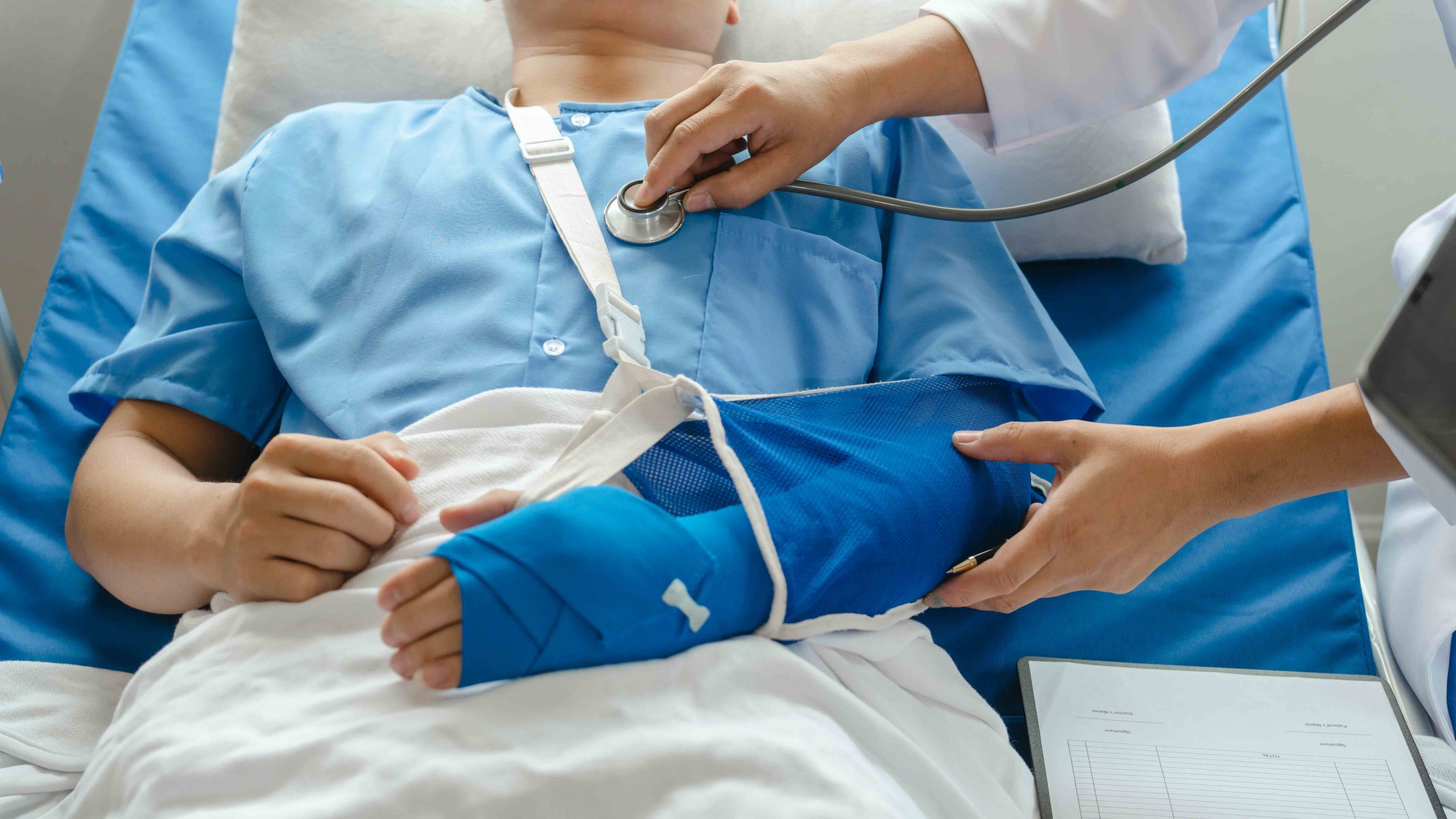
What Compensation May Be Available?

What Compensation May Be Available?
The compensation available depends on the type of claim.
Medical Expenses
A claim may address:
- Emergency care
- Hospitalization
- Surgery
- Diagnostic testing
- Medication
- Physical therapy
- Rehabilitation
- Medical equipment
- Future treatment
Lost Income
Workers may seek compensation for income lost while receiving medical treatment or recovering.
Reduced Earning Capacity
A permanent injury may prevent someone from returning to plant, manufacturing, maintenance, or other physically demanding work.
Pain and Suffering
Certain third-party claims may include compensation for physical pain and the effects of the injury on everyday life.
Physical Impairment
Brain injuries, spinal damage, amputations, burns, and other severe injuries may permanently affect independence or mobility.
Scarring and Disfigurement
Burns, amputations, and surgery may leave permanent physical changes.
Wrongful Death
When a plant accident is fatal, qualifying family members may have claims involving lost financial support, companionship, and other damages.
What Should You Do After a Plant Accident?
1. Seek Medical Treatment
Get medical attention promptly.
Tell healthcare professionals if the accident involved chemicals, electricity, smoke, machinery, or other unusual hazards.
2. Report the Accident
Notify your supervisor or employer and request a copy of the incident report.
3. Document the Scene
When it can be done safely, photograph damaged machinery, spills, missing guards, warning signs, or other relevant conditions.
4. Identify Witnesses
Collect personal contact information from coworkers and others who witnessed the accident.
5. Preserve Protective Equipment
Keep damaged helmets, gloves, respirators, clothing, or other protective equipment when possible.
6. Follow Medical Restrictions
Attend appointments and follow physician instructions regarding work and activity.
7. Be Careful With Recorded Statements
Insurance carriers or company representatives may request statements soon after the accident.
Consider obtaining legal advice before signing releases or providing detailed recorded statements.
8. Contact a Houston Plant Accident Lawyer
A lawyer can investigate employer coverage, contractor responsibility, equipment defects, and possible third-party claims.

Speak With a Houston Plant Accident Lawyer Today
A serious plant accident can affect your health, career, income, and family long after the initial incident. Meanwhile, plant operators, contractors, manufacturers, and insurance companies may begin investigating immediately.
The Roxell Richards Law Firm can investigate the cause of the accident, preserve technical evidence, review safety and maintenance records, identify liable companies, determine the status of workers’ compensation, and evaluate potential third-party claims.
Plant accidents fall within the firm’s broader Workplace Injury practice. For more information about employer coverage, workers’ compensation, third-party liability, and other serious work-related accidents, visit our Houston Workplace Injury Lawyer page.
Contact Roxell Richards Law Firm today for a free case review.
Roxell Richards Injury Law Firm
6420 Richmond Ave., Unit 135
Houston, TX 77057
Call: (713) 974-0388
Text: (832) 480-7413

Attorney Roxell Richards
This Houston Personal Injury Lawyer service page is provided by Roxell Richards Law Firm, a Texas-based personal injury law firm representing individuals and families harmed by negligence, unsafe conditions, defective products, and other preventable incidents. With a focus on Texas personal injury law, the firm helps injury victims understand their legal rights, navigate insurance and liability claims, and pursue compensation for their injuries and losses.
Roxell Richards, attorney and founder of Roxell Richards Law Firm, brings more than 20 years of experience representing clients in personal injury and civil litigation matters across Texas. Her practice includes serious and catastrophic injuries, wrongful death, disputed liability, insurance coverage issues, and complex claims involving multiple responsible parties. The firm emphasizes clear communication, individualized case evaluation, and client-focused representation throughout the legal process.
The information provided on this page is for general informational purposes only and does not constitute legal advice. Individuals injured because of another party’s negligence are encouraged to consult with a Houston personal injury lawyer regarding their specific circumstances.



















LEARN YOUR WORKPLACE INJURY ACCIDENT RIGHT NOW!
CASE RESULTS
$3 Million
SETTLEMENT
CAR DEFECT ACCIDENT
$1 Million
SETTLEMENT
TRUCK ACCIDENT
$2 Million
SETTLEMENT
TRUCK ACCIDENT
$541,329
JURY VERDICT
MINOR CAR ACCIDENT
RELATED
PRACTICE AREAS
Workplace Injury Accidents