
Houston Industrial
Accident Injury Lawyer
What you need to do if you are involve in a workplace accident?















Injured in an Industrial Accident in Houston?
Industrial workers help power Houston’s economy. They build equipment, process chemicals, operate machinery, transport materials, maintain facilities, and perform other demanding jobs.
However, refineries, manufacturing plants, warehouses, oil and gas facilities, construction sites, and processing centers can expose workers to severe hazards. One equipment failure or ignored safety rule can cause burns, crush injuries, amputations, brain damage, paralysis, or death.
Roxell Richards Law Firm represents workers and families harmed by preventable industrial accidents. We investigate what happened, identify every responsible party, and pursue compensation for medical expenses, lost income, pain, disability, and other losses.
If an unsafe worksite, defective machine, contractor, facility owner, or another party caused your injuries, you may have legal options beyond a standard workplace claim
Contact Roxell Richards Law Firm today for a free case review.
Why Choose Roxell Richards Injury Law Firm?
A severe industrial injury can leave you unable to work while large companies and insurance carriers begin protecting their interests.
You deserve experienced legal representation focused on protecting yours.
Free Case Evaluation
You can discuss the accident, your injuries, and your legal options without paying an upfront consultation fee.
No Attorney’s Fees Unless We Win
Qualifying industrial accident claims are generally handled on a contingency-fee basis. You do not pay attorney’s fees unless the firm recovers compensation for you.
Detailed Accident Investigations
The legal team examines safety records, equipment data, contracts, witness accounts, maintenance documents, and other evidence connected to the incident.
Identification of All Responsible Parties
Industrial sites often include employees from several businesses. Identifying every company that contributed to the accident can reveal additional claims and insurance coverage.
Access to Technical Professionals
Industrial claims may require assistance from engineers, equipment specialists, safety consultants, medical experts, economists, and vocational professionals.
Aggressive Insurance Negotiations
Insurance companies may dispute responsibility, minimize injuries, or claim workers’ compensation is the only available remedy. Roxell Richards Law Firm works to challenge unsupported defenses and inadequate offers.
Trial-Ready Representation
A serious industrial case should be prepared as though it may go to trial. Strong preparation improves the evidence and creates leverage during settlement negotiations.
Personalized Legal Support
Clients receive understandable explanations, regular updates, and guidance throughout the claims process.
Attorney Roxell Richards has more than 20 years of personal injury experience and leads a Houston-based firm representing clients in complex injury and civil litigation matters.
What Is an Industrial Accident Injury?

An industrial accident is an event at a plant, refinery, factory, oilfield, warehouse, processing facility, energy site, or similar workplace that causes injury, illness, property damage, or death.
These incidents frequently involve:
- Heavy machinery
- Hazardous chemicals
- Pressurized equipment
- Electrical systems
- Flammable materials
- Elevated platforms
- Industrial vehicles
- Confined spaces
- High-temperature processes
- Large construction operations
Industrial accidents can happen suddenly, such as during an explosion, equipment collapse, or machinery malfunction.
Others develop over time through repeated chemical exposure, excessive noise, unsafe lifting, vibration, or inadequate protective equipment.
Common Types of Industrial Accidents
Machinery Accidents
Industrial machines can crush, cut, pull in, or amputate workers’ limbs.
These accidents may involve:
- Missing machine guards
- Defective emergency stops
- Unexpected startup
- Inadequate lockout procedures
- Poor maintenance
- Defective controls
- Exposed moving parts
- Improper worker training
- Overloaded machinery
A machine’s manufacturer, distributor, maintenance provider, owner, or operator may be responsible, depending on why the equipment failed.
Refinery and Chemical Plant Explosions
Refineries and chemical plants handle flammable, toxic, and highly pressurized substances.
An explosion may result from:
- Gas leaks
- Equipment corrosion
- Failed pressure vessels
- Defective valves
- Inadequate ventilation
- Improper chemical storage
- Poor maintenance
- Electrical sparks
- Ignition during hot work
- Failure to monitor pressure or temperature
Explosions can cause catastrophic burns, blast injuries, hearing loss, traumatic brain injuries, and fatalities.
Industrial Fires
Fires may spread quickly in facilities containing fuels, chemicals, dust, gases, or combustible materials.
Common causes include:
- Faulty wiring
- Chemical reactions
- Defective machinery
- Welding sparks
- Gas leaks
- Improperly stored materials
- Inadequate fire suppression
- Blocked emergency exits
- Poor housekeeping
Chemical Exposure
Workers may inhale, ingest, or absorb dangerous chemicals.
Exposure can occur through:
- Leaks
- Spills
- Fumes
- Vapor
- Dust
- Contaminated surfaces
- Defective protective equipment
- Inadequate ventilation
Potential injuries include:
- Chemical burns
- Lung damage
- Eye injuries
- Neurological conditions
- Organ damage
- Respiratory diseases
- Cancer
- Fatal poisoning
Some occupational illnesses appear months or years after exposure. Medical records and workplace histories may be necessary to connect the condition to a particular substance or facility.
Falls From Heights
Industrial employees may work on:
- Scaffolding
- Catwalks
- Platforms
- Ladders
- Tanks
- Roofs
- Cranes
- Elevated equipment
- Loading structures
Missing guardrails, defective fall protection, damaged ladders, poor lighting, or inadequate training can lead to severe falls.
Falling Objects
Materials, tools, machine parts, pipes, and other objects may fall from shelves, cranes, platforms, or overhead work areas.
Falling objects can cause:
- Brain injuries
- Skull fractures
- Spinal damage
- Broken bones
- Crush injuries
- Death
Forklift and Industrial Vehicle Accidents
Forklifts, loaders, cranes, utility vehicles, and transport equipment can strike workers or overturn.
Accidents may result from:
- Excessive speed
- Poor visibility
- Untrained operators
- Overloaded equipment
- Defective brakes
- Missing warning systems
- Unsafe traffic patterns
- Inadequate pedestrian barriers
Electrocution and Electrical Injuries
Workers may contact energized wires, defective machinery, power lines, or improperly grounded equipment.
Electrical accidents can cause:
- Severe burns
- Heart rhythm problems
- Nerve damage
- Muscle injuries
- Falls
- Amputation
- Death
Confined-Space Accidents
Tanks, vessels, pits, tunnels, and other confined areas may contain toxic gases or insufficient oxygen.
Workers may be injured because of:
- Inadequate air testing
- Poor ventilation
- Missing rescue procedures
- Lack of supervision
- Improper protective equipment
- Failure to monitor atmospheric conditions
Structural Collapses
Platforms, trenches, storage systems, scaffolding, walls, and temporary structures may fail because of design errors, improper installation, overloading, or poor maintenance.
Transportation Accidents
Industrial workers may be injured by commercial trucks, delivery vehicles, cranes, forklifts, rail equipment, or other forms of transportation.
Transportation and material-moving occupations recorded 1,391 fatal injuries in 2024, the highest number among major occupational groups.
Industrial Accidents Within the Broader Workplace Injury Practice
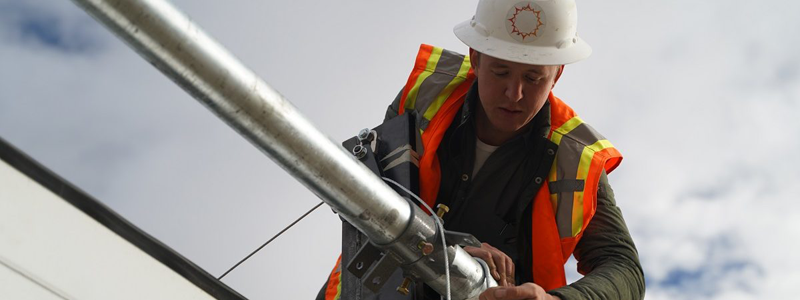
Industrial accidents are a serious category of workplace injury. They often involve heavy machinery, hazardous chemicals, high-pressure systems, combustible materials, electrical equipment, elevated work areas, and several contractors working together.
Workers injured in offices, stores, hospitals, warehouses, construction sites, delivery routes, and other job settings can learn more about their general options on our Houston Workplace Accident Lawyer page. That resource explains workplace reporting, workers’ compensation, third-party liability, and claims involving employers that do not carry workers’ compensation insurance.
An industrial accident may also support a broader negligence claim when a contractor, manufacturer, property owner, driver, or another third party contributed to the injury. Our Houston Personal Injury Lawyer page explains how injured people may seek compensation for medical costs, lost earnings, pain, emotional distress, disability, and other damages.
By examining the industrial accident, workplace rules, and personal injury laws together, Roxell Richards Law Firm can look beyond a basic benefits claim and identify every potential source of compensation.
What Causes Industrial Accidents?
Many industrial accidents are preventable.
Frequent contributing factors include:
- Failure to inspect equipment
- Deferred maintenance
- Inadequate safety training
- Missing machine guards
- Failure to provide protective equipment
- Pressure to work too quickly
- Understaffing
- Fatigue
- Improper chemical storage
- Poor communication between contractors
- Failure to follow lockout procedures
- Inadequate ventilation
- Defective machinery
- Unsafe facility design
- Failure to correct earlier hazards
- Ignoring worker complaints
- Lack of emergency planning
- Inadequate supervision
- Regulatory violations
The fact that an accident occurred at work does not necessarily mean it was unavoidable. Maintenance records, safety reports, employee communications, and earlier complaints may reveal that the danger was known before someone was injured.
Workers’ Compensation and Industrial Accident Claims
Workers’ compensation may provide medical and partial income benefits after an industrial injury when the employer carries coverage.
However, those benefits may not compensate the worker for every loss. Traditional workers’ compensation generally does not provide damages for pain and suffering.
An industrial worker may also have a third-party personal injury claim when someone other than the direct employer contributed to the accident.
For example, a third-party claim may exist when:
- A defective machine causes an amputation
- A subcontractor creates a dangerous condition
- A maintenance company performs negligent repairs
- A commercial driver strikes a worker
- A property owner fails to correct a known hazard
- An engineering error causes a structural collapse
A worker may sometimes pursue workers’ compensation benefits and a third-party claim arising from the same accident.
These overlapping claims require careful coordination because the workers’ compensation insurer may assert reimbursement rights against part of a third-party recovery.
Who May Be Responsible for an Industrial Accident?
More than one company may be legally responsible.
Facility Owners
A refinery, plant, warehouse, or industrial property owner may be liable for unsafe conditions within areas it controls.
General Contractors
A general contractor may be responsible for poor site coordination, inadequate safety procedures, or failure to manage subcontractors properly.
Subcontractors
One contractor’s unsafe work may injure employees of another company.
Examples include:
- Improperly installed scaffolding
- Unsafe welding
- Exposed electrical systems
- Unsecured materials
- Negligent crane operation
- Improper chemical handling
Equipment Manufacturers
A manufacturer may be liable when a defective machine, tool, valve, pressure system, safety device, or vehicle causes an accident.
Maintenance and Repair Companies
A third-party maintenance provider may be responsible for failing to identify or correct a dangerous equipment problem.
Engineering and Design Firms
Engineers, architects, or design companies may share liability when unsafe plans, systems, or calculations contribute to a failure.
Chemical Manufacturers and Suppliers
A chemical company may be responsible for defective products, contamination, improper labeling, or inadequate safety warnings.
Transportation Companies
A trucking, delivery, or logistics business may be liable when its driver or equipment causes an industrial accident.
Staffing Companies
Staffing agencies and host employers may share responsibilities related to employee placement, training, supervision, and safety.
Nonsubscribing Employers
Texas does not require every private employer to carry workers’ compensation insurance.
When an employer does not subscribe to the system, an injured worker may have the right to pursue a negligence claim directly against that employer.
What Should You Do After an Industrial Accident?

1. Seek Emergency Medical Care
Call emergency services or obtain immediate treatment.
Industrial injuries may involve burns, toxic exposure, internal trauma, or brain damage that is not immediately obvious.
Tell medical providers that the injury happened at work and explain the substances, equipment, or processes involved.
2. Report the Accident
Notify your supervisor or employer promptly.
Submit a written report and keep a copy when possible. include:
- The date and time
- The location
- The task being performed
- The equipment or substance involved
- The names of witnesses
- The injuries and symptoms
3. Photograph the Area
When it is safe and permitted, photograph:
- The equipment
- Missing safety guards
- Spills or chemicals
- Warning signs
- Protective equipment
- Damaged structures
- The surrounding work area
- Your visible injuries
Never place yourself at further risk to obtain evidence.
4. Identify Witnesses
Collect personal contact information from coworkers and other people who saw the accident or knew about the hazard.
Employees may later leave the company or become difficult to locate.
5. Preserve Physical Evidence
Keep damaged clothing, helmets, gloves, boots, harnesses, masks, respirators, and other protective equipment.
Do not repair, wash, alter, or discard these items.
6. Follow Medical Instructions
Attend appointments, follow restrictions, complete therapy, and take prescribed medication. Tell your healthcare providers about every affected body part and any new symptoms.
7. Do Not Sign Unclear Documents
An employer or insurer may ask you to sign a statement, release, settlement agreement, or broad medical authorization. Understand the document and its effect before signing.
8. Avoid Detailed Recorded Statements
Statements given shortly after an accident may be used to dispute how the event occurred or minimize your injuries.
Consider obtaining legal guidance before giving a recorded insurance statement.
9. Limit Social Media Activity
Do not post photographs, comments, workplace details, travel updates, or physical activities that could be taken out of context.
10. Contact an Industrial Accident Lawyer
A lawyer can verify insurance coverage, investigate third-party liability, preserve technical evidence, and protect you during insurer communications.
What Compensation May Be Available?
The available compensation depends on whether the case involves workers’ compensation, a negligent third party, a nonsubscribing employer, or several claims.
Medical Expenses
Recoverable expenses may include:
- Ambulance transportation
- Emergency treatment
- Hospitalization
- Surgery
- Burn treatment
- Diagnostic testing
- Prescription medication
- Physical therapy
- Rehabilitation
- Prosthetic devices
- Mobility equipment
- Home healthcare
- Future medical treatment
Lost Wages
A claim may include income lost while receiving treatment and recovering.
Reduced Earning Capacity
A permanent injury may prevent the worker from returning to the same job, working the same schedule, or earning the same income.
Pain and Suffering
A third-party or nonsubscriber claim may provide compensation for physical pain and discomfort.
Emotional Distress
Industrial explosions, amputations, fires, and other traumatic events may cause anxiety, depression, nightmares, or post-traumatic stress.
Disability and Physical Impairment
Compensation may reflect reduced mobility, strength, coordination, or independence.
Scarring and Disfigurement
Burns, amputations, surgical wounds, and other injuries may permanently change a victim’s appearance.
Vocational Rehabilitation
Some workers need retraining or education before entering a different occupation.
Loss of Enjoyment of Life
An injury may prevent someone from participating in hobbies, exercise, travel, family activities, and other meaningful experiences.
Wrongful Death Damages
When an industrial accident is fatal, qualifying family members may be entitled to seek compensation for:
- Funeral and burial expenses
- Lost financial support
- Loss of companionship
- Mental anguish
- Lost household services
- Other wrongful-death damages
No attorney can guarantee a particular settlement or verdict. Case value depends on the evidence, insurance coverage, injury severity, future needs, and applicable law.

Speak With a Houston Industrial Accident Lawyer Today
An industrial accident can change your health, career, finances, and family life within seconds.
The companies involved may begin investigating immediately. Equipment may be repaired, records may be controlled by corporate defendants, and insurers may attempt to limit responsibility.
Roxell Richards Law Firm can preserve evidence, identify responsible companies, analyze insurance coverage, and pursue compensation for your injuries and losses.
Contact Roxell Richards Law Firm today for a free case review.
Texas Office:
6420 Richmond Avenue, Suite
135Houston, TX 77057
Call: (713) 974-0388
Text: (832) 480-7413
Consultations are free. You do not pay attorney’s fees unless the firm recovers compensation for you.

Attorney Roxell Richards
This Houston Vehicle Accident service page is provided by The Roxell Richards Law Firm, a Texas-based personal injury law firm dedicated to representing individuals injured in vehicular accidents. With a focus on Texas personal injury law, the firm helps victims of vehicle accidents understand their legal rights, navigate complex insurance claims, and pursue fair compensation for their injuries.
Roxell Richards, attorney and founder of The Roxell Richards Law Firm, brings more than 20 years of experience representing clients in motorcycle accident and personal injury cases across Texas. His practice includes handling claims involving serious injuries, contested liability, and insurance coverage disputes. The firm’s legal approach emphasizes clear communication, individualized case evaluation, and client-focused representation at every stage of the legal process.
The legal information provided on this page is for general informational purposes only and does not constitute legal advice. For advice specific to a vehicle accident, individuals are encouraged to consult with a qualified Texas personal injury attorney.



















LEARN YOUR WORKPLACE ACCIDENT RIGHT NOW!
CASE RESULTS
Roxell Richards Injury Law Firm is here to help after a motorcycle accident. Our attorneys understand the complexities of these cases and will fight for your rights and full compensation with dedication. Trust us to protect your interests every step of the way.
$3 Million
SETTLEMENT
CAR ACCIDENT
$550,000
SETTLEMENT
MOTORCYCLE ACCIDENT
$600,000
SETTLEMENT
TRUCK ACCIDENT
$541,329
JURY VERDICT
MINOR CAR ACCIDENT
RELATED
PRACTICE AREAS
Personal Injury Accidents