

Hospitals are meant to be the safest places to recover from illness or injury. But even in top-rated facilities, errors still happen, and some of those errors are so preventable and life-changing that they become the foundation for Hospital negligence claims. When a hospital’s systems fail, or its staff fall below the medical standard of care, a patient can suffer serious harm, permanent disability, or even death. This guide breaks down the most common hospital mistakes that lead to negligence lawsuits, why they happen, how victims prove fault, and what “justice” can realistically look like.
Table of Contents:
- What Hospital Negligence Claims Really Mean
- Why Hospital Mistakes Happen (Even in Good Hospitals)
- The Most Common Hospital Errors That Lead to Negligence Claims
- How Victims Prove Hospital Negligence
- Damages: What Compensation Can Cover
- The Hospital’s Defense Tactics and How Lawyers Counter Them
- How Roxell Richards Injury Law Firm Helps Victims Get Justice
- Strong Call to Action
1. What Hospital Negligence Claims Really Mean
Hospital negligence claims are legal cases filed when a hospital or its staff cause harm by failing to meet accepted standards of medical care. These cases are a form of medical malpractice, but they focus specifically on mistakes that occur in the hospital setting, such as emergency rooms, operating rooms, labor and delivery wings, intensive care units, or during routine inpatient care.
A negligence claim may involve:
-
- A doctor who makes a critical error
- A nurse who administers the wrong medication
- A technician who misreads a scan
- Or the hospital itself, when policies, staffing shortages, poor training, or broken safety systems create dangerous care conditions
Importantly, negligence is not about perfection. Medicine involves risk. But hospitals are obligated to reduce avoidable harm by following established protocols, communicating clearly, and acting promptly when a patient is in danger.
When hospitals fail in those duties, the civil legal system provides a way for victims to seek accountability and compensation for their injuries. In these cases, accountability means holding the hospital or staff legally responsible, while compensation refers to the money awarded for the harm suffered.
2. Why Hospital Mistakes Happen (Even in Good Hospitals)

A. Communication breakdowns
B. Understaffing and burnout
C. Failure to follow protocols
D. System or technology failures
E. “Normalization of deviance.”
3. The Most Common Hospital Errors That Lead to Negligence Claims
Misdiagnosis and Delayed Diagnosis
The entire course of treatment depends on an accurate diagnosis. When hospital teams miss, delay, or dismiss a serious condition, patients lose critical time for treatment.
Common diagnostic negligence includes:
-
- Missing stroke signs
- Failing to recognize heart attacks, especially in women
- Misdiagnosing internal bleeding after trauma
- Overlooking infections that later become sepsis
- Interpreting cancer signs as “minor” conditions
Diagnostic errors are one of the biggest sources of serious patient harm in the U.S. One major Johns Hopkins/BMJ-affiliated analysis estimates diagnostic errors lead to roughly 371,000 deaths and 424,000 permanent disabilities every year, with vascular events, infections, and cancers being the most common missed conditions.
Why does it lead to claims:
Because delays or mistakes often cause conditions to worsen beyond repair. If prompt treatment would likely have prevented the outcome, negligence may be proven.
Medication Errors
Medication mistakes are among the most frequent hospital safety failures. These can happen during prescribing, dispensing, or administration. Professional guidelines define medication errors as preventable events that may cause inappropriate medication use or harm.
Examples include:
-
- Wrong drug prescribed
- Wrong dose given
- Medication intended for another patient
- Dangerous drug interactions ignored
- Giving a drug to a patient who is allergic to it
- Incorrect route (IV instead of oral)
Even a small dosage error can be deadly for children, seniors, or patients with kidney or liver disease. Medication errors are estimated to affect a significant share of hospitalized patients and result in millions of harmful events annually.
Why does it lead to claims:
Hospitals have clear protocols to prevent these errors, such as allergy checks, barcode scanning, dose verification, and nurse double-checks. Ignoring them is a breach of standard care.
Surgical Mistakes
Surgery carries risk, but certain errors should never occur.

Common surgical negligence includes:
-
- Wrong-site or wrong-patient surgery
- Leaving foreign objects inside the body (sponges, clamps, needles)
- Avoidable organ or nerve damage
- Operating without informed consent
- Preventable post-op complications are ignored.
Wrong-site surgery claims are rare but heavily studied in malpractice databases. Claims analyses show many wrong-site cases settle for substantial sums due to the clear preventability of the error.
Retained surgical objects still happen in modern hospitals despite strict counting rules, and when they do, they often result in major claims.
Why does it lead to claims:
These mistakes violate basic surgical safety standards and are often indefensible under proper care guidelines.
Anesthesia Errors
Anesthesia requires careful dosing and constant monitoring. Errors may include:
-
- Over-sedation or under-sedation
- Failure to monitor oxygen levels
- Delayed response to airway issues
- Ignoring post-anesthesia complications
When anesthesia errors occur, the harm is often catastrophic, such as brain injury from oxygen deprivation, cardiac arrest, or death.
Why does it lead to claims:
Anesthesia teams are trained to anticipate and prevent these risks, and monitoring standards are well-established.
Birth Injuries
Labor and delivery are time-sensitive. Negligence here can affect two lives at once.
Common negligent birth events:
-
- Failure to monitor fetal distress
- Delayed C-section
- Improper use of forceps or vacuum extractors
- Errors in dosing labor medications (like Pitocin)
- Ignoring maternal warning signs (infection, hemorrhage, preeclampsia)
Outcomes may include cerebral palsy, brachial plexus injury, maternal stroke, or infant brain damage.
Why does it lead to claims:
Hospitals have protocols for fetal monitoring and emergency escalation. Failure to act in a timely manner is a breach of the standard of care.
Hospital-Acquired Infections (HAIs)
Some infections are unavoidable, but many HAIs are preventable when hospitals follow hygiene and sterilization standards.
Negligence examples:
-
- Unsterile instruments
- Failure to wash hands or change gloves
- Not isolating contagious patients.
- Ignoring early infection symptoms
These mistakes can lead to sepsis, amputations, or death.
Why does it lead to claims:
Because infection control standards are explicit. If a hospital fails to follow them and an infection results, negligence may be inferred.
Emergency Room Negligence
ERs are hectic, but they must still meet standards of care.
Examples:
-
- Sending home a patient with stroke symptoms
- Failing to order CT scans after head trauma
- Misreading X-rays or EKGs
- Long delays for life-threatening conditions
- Poor triage for high-risk patients
ER negligence often overlaps with diagnostic delays, especially for heart attacks, strokes, internal bleeding, and infections.
Why does it lead to claims:
Because hospitals know that ER patients are vulnerable and need safe, rapid diagnostic pathways.
Failure to Monitor or Respond
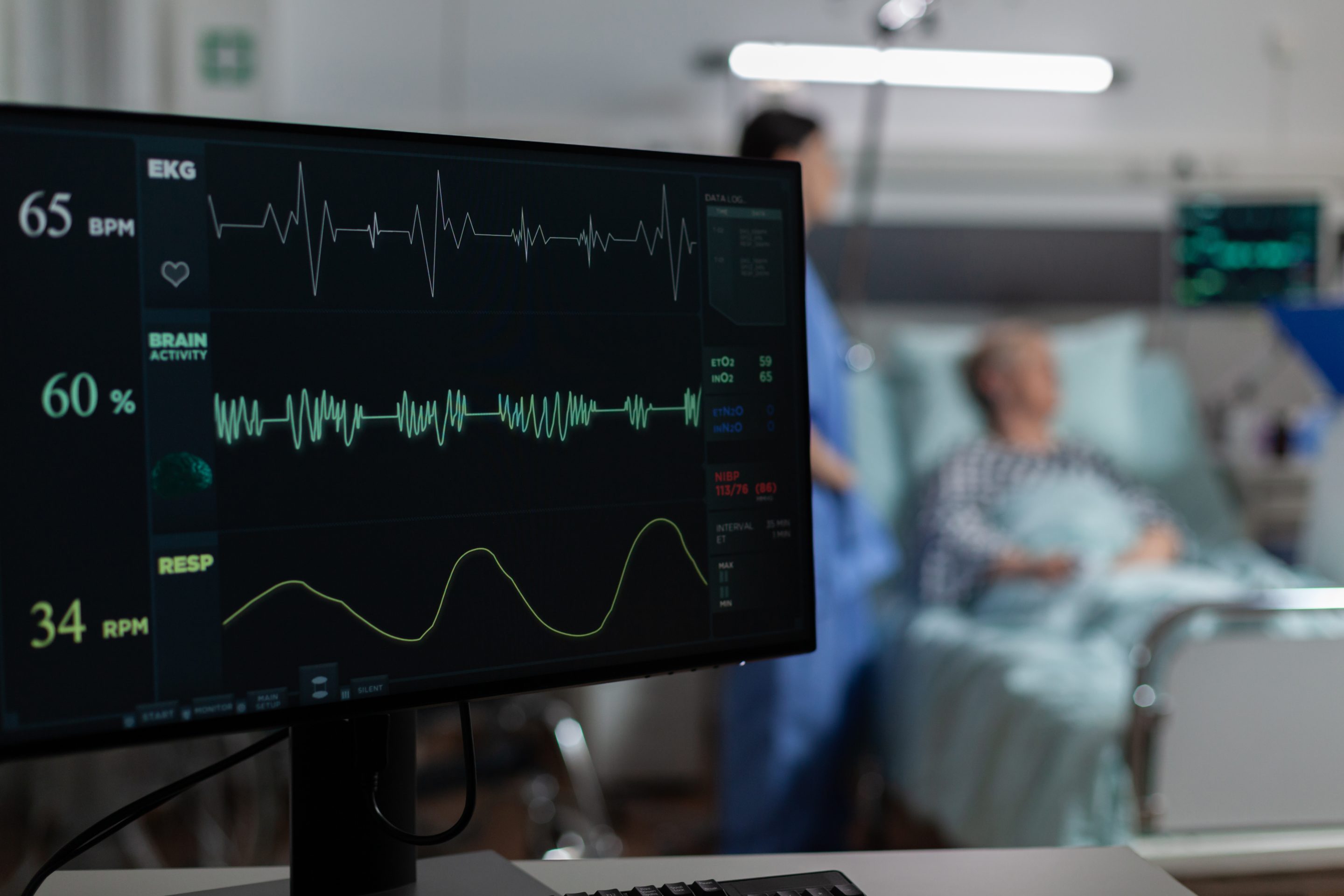
Common failures include:
-
- Ignoring falling oxygen saturation
- Not responding to alarms.
- Overlooking internal bleeding post-surgery
- Leaving high fall-risk patients unattended
- Failing to monitor medication side effects
This kind of negligence is frequently tied to poor staffing or rushed care.
Why does it lead to claims:
“Failure to rescue” is recognized as a hospital safety violation. If nurses or doctors ignore warning signs that a competent team would catch, liability can follow.
Discharge Mistakes and Communication Failures
Discharge is a high-risk moment. Patients are often medicated, confused, or too ill to advocate for themselves.
Negligent discharge includes:
-
- Releasing a patient too early
- Not reviewing test results before discharge.
- Failing to arrange follow-ups
- Confusing medication instructions
- Not communicating the warning signs to return.
The result can be rapid deterioration at home, avoidable readmission, or death.
Why does it lead to claims:
Because safe discharge requires a clear plan. Failing to follow that plan is a breach of hospital duty.
Falls and Preventable Injuries
Hospitals must protect vulnerable patients from preventable accidents.
Negligence examples:
-
- Poor supervision of elderly patients
- Wet floors and unsafe hallways
- Not using bed alarms when required.
- Failure to provide walking assistance
Falls can lead to fractures, brain injury, or permanent disability.
Why does it lead to claims:
Hospitals know which patients are at risk of falls and must implement safety measures.
4. How Victims Prove Hospital Negligence
To succeed in Hospital negligence claims, victims must prove the core malpractice elements:
-
- Duty of care
The hospital/provider owed you professional care once treatment began. - Breach of duty
They failed to act the way a competent medical provider would in the same situation. - Causation
The breach directly caused or worsened your injury. - Damages
You suffered measurable harm, including medical costs, disability, lost income, pain, or death.
- Duty of care
Evidence often includes:
-
- Full hospital medical records
- Nursing logs and medication records
- Imaging and lab reports
- Hospital staffing documentation
- Expert testimony establishing standard care
- Witness accounts from staff or family.
5. Damages: What Compensation Can Cover
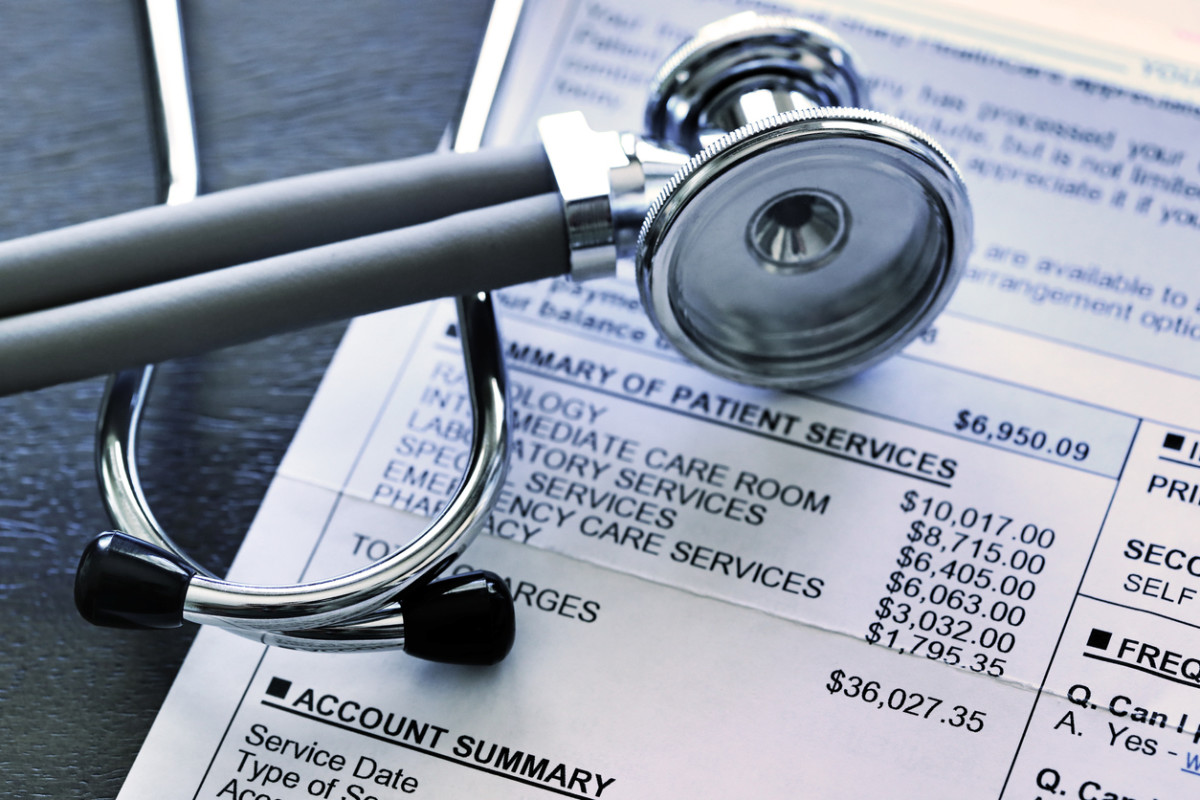
Damages may include:
-
- Past + future medical expenses
- Physical therapy and rehabilitation
- Long-term nursing or home care
- Prescription costs and medical equipment
- Lost wages and reduced earning capacity
- Pain, suffering, and emotional distress
- Loss of enjoyment of life
- Wrongful death damages (funeral costs, loss of companionship, lost household support)
6. The Hospital’s Defense Tactics and How Lawyers Counter Them
“It was a known risk.”
“The patient was already sick.”
“We did everything reasonable.”
Paperwork overload
Hospitals may bury victims in records. Attorneys organize them into timelines showing exactly when care failed.
In short, they try to make a preventable injury look “normal.” Strong representation prevents that.
7. How Roxell Richards Injury Law Firm Helps Victims Get Justice
Hospital negligence claims are complicated, emotional, and high-stakes. Hospitals have legal teams, insurance carriers, expert witnesses, and deep resources dedicated to protecting them, not you.
At Roxell Richards Injury Law Firm, we support victims by:
-
- Listening first and taking your experience seriously
- Launching fast investigations before evidence disappears
- Consulting trusted medical specialists to prove breaches of care
- Identifying all liable parties (including hospital systems)
- Calculating full, future-focused damages
- Negotiating fiercely and preparing every case for trial
- Protecting you from intimidation and delay tactics
8. Strong Call to Action
If you believe you or someone you love was harmed by a hospital mistake, don’t let uncertainty or fear keep you silent. The sooner you speak to an attorney, the sooner evidence can be preserved, deadlines protected, and your legal options made clear.
Contact Roxell Richards Law Firm today for a free consultation.
We’ll review your situation, explain whether you have a case, and fight for the justice and compensation you deserve. Hospitals have teams protecting them. You deserve a team protecting you, too.
Houston, TX z7057
Phone: (713) 974-0388
Fax: (713) 974-0003
Frequently Asked Questions
Q1: How do I know if what happened was negligence or just a complication?
A complication is a known medical risk that occurs even when the team follows standards. Negligence occurs when safety rules are broken, warning signs are ignored, or care falls below the standard. For example, a known surgical risk is different from operating on the wrong body part or leaving a sponge inside a patient.
Q2: Can I sue a hospital for a nurse’s mistake?
Yes. Nurses are hospital employees in most cases, and hospitals are generally responsible for employee negligence under “vicarious liability.” If poor training, unsafe staffing ratios, or policy failures contributed, the hospital can be directly liable too.
Q3: What if the doctor says the harm was caused by my underlying condition?
Hospitals often argue that your illness, not their conduct, caused the outcome. But the law also protects patients with pre-existing conditions. If negligence worsened your condition, caused a new injury, or reduced your chance of recovery, that still qualifies. Medical experts help separate unavoidable disease progression from preventable harm.
Q4: Do I need a medical expert to prove negligence?
- What is the standard of care required?
- How the hospital breached it
- How did that breach cause your injury?
Q5: If I file a claim, will I have to go to trial?
Most cases settle before trial, especially strong ones. But hospitals rarely offer fair compensation unless they know your team is prepared to go the distance. A firm that builds every case for trial usually secures better settlements because the hospital fears losing in court.