

Accidents can occur in quiet places like parking lots or neighborhoods, and may be stressful if you hit a parked car and the other driver isn’t there. Many drivers panic, uncertain of what to do or what is required by law.
What you do after hitting a parked car is crucial. Leaving the scene or mishandling the accident can mean fines or even criminal charges, while taking the right steps protects you.
This comprehensive guide provides the clear, actionable steps to take if you hit a parked car. Each section flows into the next, making it easy to follow the process from the moment of the accident through to the resolution of potential legal and insurance issues.
Table of Contents:
- Understanding Why Hitting a Parked Car Is a Serious Matter
- Step 1: Stop Immediately and Stay Calm
- Step 2: Check for Damage and Safety Hazards
- Step 3: Look for the Vehicle Owner
- Step 4: Leave a Proper Note If the Owner Is Not Present
- Step 5: Document the Accident Thoroughly
- Step 6: Report the Accident to the Police (When Required)
- Step 7: Notify Your Insurance Company
- Step 8: Understand Your Legal Responsibilities
- Step 9: What If the Parked Car Was Illegally Parked?
- Step 10: What If You Damaged Property Other Than a Car?
- Common Mistakes to Avoid After Hitting a Parked Car
- Five Common Questions About What to Do If You Hit a Parked Car
- When to Contact a Personal Injury Attorney
- How Roxell Richards Injury Law Firm Can Help
- Final Thoughts and Strong Call to Action
Understanding Why Hitting a Parked Car Is a Serious Matter
Many drivers think hitting a parked car is a minor issue because the vehicle is unoccupied or the damage looks small. But it’s still a motor vehicle accident, and the law treats it as such.
If you hit a parked car, you must stop and try to notify the owner or authorities. Failing to do so can turn a simple accident into a hit-and-run, even if the damage seems minor.
Penalties for not following proper steps can be severe, including:
-
- Fines and court fees, which can quickly add up and exceed the cost of repairing the damage
- Points on your driver’s license, potentially affecting your driving record for years.
- Increased insurance premiums, as insurers may view the incident as high-risk behavior.
- License suspension or revocation, especially for repeat offenses or failure to report
- Criminal charges in serious cases, especially if you try to flee. A criminal charge means being accused in court of breaking the law.
Leaving the scene hurts your credibility if witnesses, cameras, or the owner report you. An easy insurance fix can become a legal battle, causing stress and extra costs.
Knowing what to do after hitting a parked car helps you follow the law, protect your record, and avoid turning a small problem into a big one. Taking responsibility and following procedure shows good judgment and helps keep you safe from larger legal or financial issues.
Step 1: Stop Immediately and Stay Calm
The very first thing to do if you hit a parked car is to stop immediately. Do not drive away even if you think no one saw you.
Stay calm. Accidents happen to everyone. If you panic, you may make poor choices such as leaving the scene or forgetting to gather important information.
Turn off your engine, activate your hazard lights, and check that your vehicle is safely stopped. Now, staying calm helps ensure you make responsible choices as you move to the next step: assessing possible damage and safety hazards.
Step 2: Check for Damage and Safety Hazards
-
- Dents, scratches, or broken parts
- Fluid leaks
- Loose debris on the road
- Damage to surrounding property (curbs, fences, signs)

If the impact caused any safety hazard, such as leaking fuel or broken glass, keep a safe distance and consider calling emergency services.
Step 3: Look for the Vehicle Owner
Try to find the owner nearby before assuming they are gone.
You can:
-
- Check nearby stores or buildings.
- Ask people in the immediate area.
- Wait a reasonable amount of time.
Step 4: Leave a Proper Note If the Owner Is Not Present
If you can’t find the owner, you must leave a note on their car. This is essential after you hit a parked car.
Your note should include:
-
- Your full name
- Your phone number
- Your driver’s license number (recommended)
- Your vehicle’s license plate number
- A brief explanation of what happened
Place the note securely under the windshield wiper where it won’t blow away.
Never leave a vague note or false information. That can be seen as trying to avoid responsibility.
Step 5: Document the Accident Thoroughly
Take good notes and photos to protect yourself in case of a dispute.
Take clear photos of:
-
- Damage to both vehicles
- The position of the cars
- License plates
- The surrounding area
- Any relevant road signs or parking markings
-
- Date and time of the accident
- Location
- Weather and lighting conditions
Step 6: Report the Accident to the Police (When Required)
Call the police only if required by your local laws or if the damage is significant.
You should call the police if:
-
- The damage exceeds a certain dollar amount.
- Local law requires reporting any unattended vehicle accident.
- Property other than a vehicle was damaged.
- You are unsure about legal requirements.
Step 7: Notify Your Insurance Company
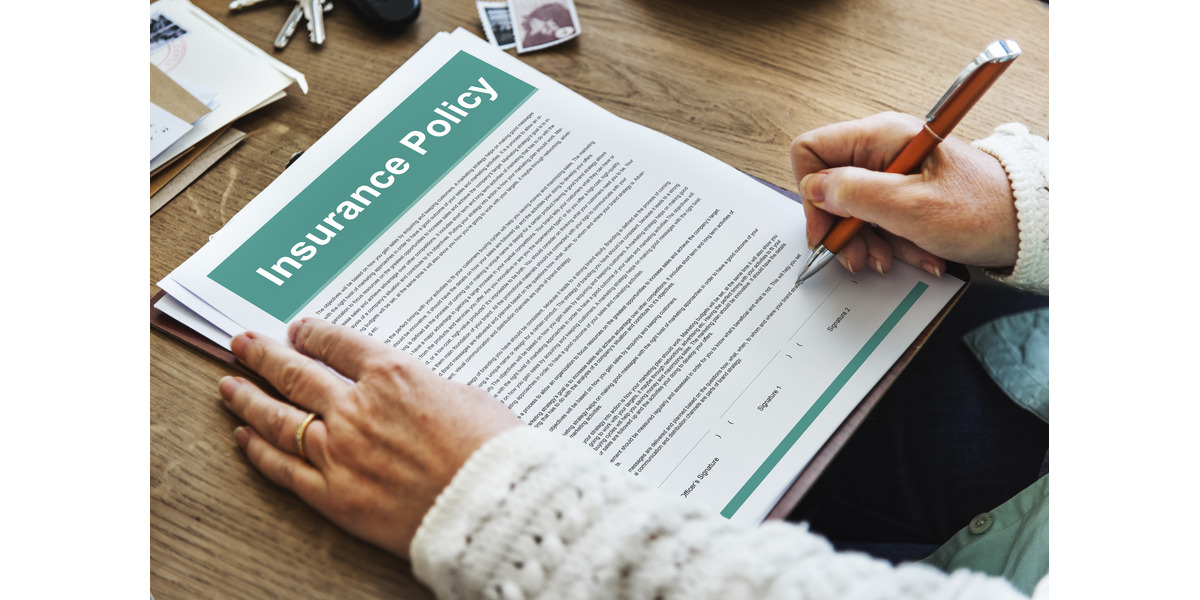
- Accurate details of the accident
- Photos and documentation
- Information left on the note
Step 8: Understand Your Legal Responsibilities
-
- Stopping at the scene
- Identifying yourself
- Reporting damage when required
- Cooperating with insurance
Step 9: What If the Parked Car Was Illegally Parked?
Many drivers assume they are not responsible if the parked car was illegally parked. Unfortunately, this is not always true.
Even if the car was parked illegally:
-
- You are still required to stop.
- You must leave information or locate the owner.
- Fault may still partially fall on you.
Step 10: What If You Damaged Property Other Than a Car?
-
- A fence
- A mailbox
- A sign
- A building
Common Mistakes to Avoid After Hitting a Parked Car
Understanding what to do if you hit a parked car is only part of handling the situation correctly. Just as important is knowing what not to do. Many drivers make critical mistakes in the moments after a parked-car accident, often out of panic or confusion. Unfortunately, these errors can turn a manageable incident into a serious legal or financial problem.
One of the most serious mistakes is driving away without leaving your information. Even if the damage appears minimal or you believe no one witnessed the accident, leaving the scene without identifying yourself can legally be considered a hit-and-run. Surveillance cameras, nearby witnesses, or later discovery by the vehicle owner can lead to criminal charges, fines, and long-term damage to your driving record.
Another common error is leaving an incomplete or fake note. A vague message such as “Sorry” or “I bumped your car” without contact details is not sufficient. Providing false information or intentionally omitting key details can be viewed as an attempt to avoid responsibility. If the note falls off the vehicle or contains inaccurate information, you may still face hit-and-run allegations despite your intent to comply.
Many drivers also make the mistake of failing to document the damage. Without photos, written notes, and clear records, it becomes difficult to prove the extent of damage caused by the accident. This leaves you vulnerable to exaggerated repair claims or disputes about when and how the damage occurred. Proper documentation protects you by creating an accurate record of the incident.
Failing to notify your insurance company is another costly mistake. Some drivers hope to avoid higher premiums by handling the situation privately or ignoring it altogether. However, if the other party later files a claim or reports the accident, your insurer may deny coverage due to late reporting. Prompt notification ensures you remain compliant with your policy and protected under your coverage.
Finally, admitting fault prematurely can backfire. While being polite and cooperative is important, making statements such as “This was completely my fault” before all facts are reviewed can harm your legal and insurance position. Liability is determined through investigation, not on-the-spot admissions. It’s best to stick to factual information and let insurance adjusters or legal professionals determine responsibility.
Each of these mistakes can result in unnecessary legal trouble, financial loss, increased insurance premiums, or even criminal penalties. By avoiding these common errors and following the proper steps, you protect your rights, minimize stress, and handle the situation responsibly and lawfully.
When to Contact a Personal Injury Attorney
While hitting a parked car may seem straightforward, the legal and financial aftermath can quickly become complicated. Insurance companies, property owners, and law enforcement may all become involved, and even a minor misunderstanding can escalate into a serious dispute. For this reason, there are many situations where contacting a personal injury attorney is not only helpful but essential.

You should strongly consider speaking with an attorney if you are accused of leaving the scene of the accident. Hit-and-run allegations are taken very seriously, and even unintentional mistakes, such as a note falling off the windshield or incomplete reporting, can result in criminal charges. An attorney can help demonstrate that you acted in good faith and ensure your side of the story is properly documented.
Legal help is also crucial when fault is disputed. In some cases, the owner of the parked vehicle may claim the damage existed before the accident or allege more extensive damage than actually occurred. Without legal representation, you may find yourself unfairly blamed or pressured by insurance adjusters to accept responsibility beyond what is reasonable. An attorney can review evidence, analyze accident reports, and protect you from false or exaggerated claims.
If there is significant property damage, the financial stakes increase substantially. Extensive vehicle repairs, damage to surrounding property, or involvement of commercial or government-owned vehicles can lead to higher repair costs and stricter legal scrutiny. A personal injury attorney can help ensure that liability is fairly assessed and that you are not held financially responsible for damages beyond your legal obligation.
You should also contact an attorney immediately if you receive legal notices, citations, or court documents related to the incident. These documents often have strict deadlines, and failing to respond correctly can result in fines, default judgments, or license penalties. Legal counsel ensures that all paperwork is handled properly and that your rights are preserved throughout the process.
Ultimately, legal guidance provides clarity and protection during a stressful situation. An experienced personal injury attorney helps you understand what to do if you hit a parked car, communicates with insurance companies on your behalf, and prevents small errors from turning into costly legal problems. By seeking legal advice early, you significantly reduce the risk of long-term consequences and ensure the matter is resolved as efficiently and fairly as possible.
How Roxell Richards Injury Law Firm Can Help
At Roxell Richards Injury Law Firm, we understand that accidents, big or small, can quickly become overwhelming. Insurance companies are not always on your side, and even minor incidents can spiral into costly legal problems.
Our experienced legal team can:
-
- Review your case and explain your rights.
- Communicate with insurance companies on your behalf.
- Help defend against unfair claims or accusations.
- Ensure you comply with all legal requirements.
Final Thoughts: Take Action and Protect Yourself
Strong Call to Action
If you’ve been involved in an accident, whether hitting a parked car or dealing with a more serious collision, do not face the legal aftermath alone. Our dedicated team is ready to protect your rights, guide you through the process, and fight for the best possible outcome.
📞 Contact Roxell Richards Law Firm today for a free consultation online because one mistake shouldn’t define your future.
Roxell Richards Injury Law Firm
6420 Richmond Ave. Ste. #135
Houston, TX 77057
Phone: (713) 974-0388
Fax: (713) 974-0003
Frequently Asked Questions
1. Is hitting a parked car considered a hit-and-run?
Yes, if you leave without providing your information, it can legally be classified as a hit-and-run even if no one was inside the vehicle.
2. What if the damage is barely noticeable?
You are still required to stop and leave your information. Minor damage can still be costly to repair.
3. Do I need to call the police if no one is hurt?
Not always, but some states require reporting property damage accidents. When in doubt, call or check local laws.
4. Will my insurance rates increase?
Possibly. However, failing to report the accident could result in worse consequences, including denied claims.
5. What if someone later claims additional damage?
This is why documentation and photos are essential. They help protect you from false or exaggerated claims.