TEXAS OFFICE: +1 713974-0388 | CALIFORNIA OFFICE: +1 626-628-9262 | TEXT US: +1 832-480-7413
TEXAS OFFICE 713974-0388
CALIFORNIA OFFICE: 626-628-9262
TEXT US: 832-480-7413

When Medical Bills Exceed Policy Limits in Texas, You Still Have Options

Serious accidents can change a person’s life in an instant. Beyond the physical pain and emotional stress of an injury, many victims face a financial crisis due to rising medical expenses.
Hospital bills, surgeries, rehabilitation, medications, and long-term care can quickly accumulate into overwhelming amounts. Unfortunately, many Texans discover that the at-fault driver’s insurance coverage is insufficient to cover these costs. When medical bills exceed policy limits in Texas, victims often worry about how they will pay for treatment, support their families, and recover financially.
The good news is that Texas law provides several avenues for pursuing additional compensation. To transition to the next steps, even if the at-fault driver’s insurance coverage is insufficient, you may have other options, including additional insurance policies, legal claims, and negotiation strategies that can help reduce the financial burden.
This comprehensive guide explains what happens when medical bills exceed policy limits in Texas, the legal options available to accident victims, and how working with an experienced personal injury attorney can help you secure the compensation you deserve.
Table of Contents:
- Understanding Insurance Policy Limits in Texas
- Minimum Insurance Requirements in Texas
- Why Medical Bills Often Exceed Policy Limits?
- What Happens When Medical Bills Exceed Policy Limits in Texas?
- Legal Options When Insurance Is Not Enough
- Underinsured Motorist Coverage Explained
- Filing a Personal Injury Lawsuit Against the At-Fault Driver
- Identifying Additional Liable Parties
- Negotiating Medical Bills and Hospital Liens
- The Impact of Comparative Fault in Texas
- How Insurance Companies Handle High-Damage Claims?
- The Importance of Legal Representation
- Final Thoughts
- Contact Roxell Richards Injury Law Firm
Understanding Insurance Policy Limits in Texas
An insurance policy limit is the highest amount an insurance company will pay for a claim under a policy. In the context of car accidents, liability insurance pays for damages suffered by the injured party when a driver causes an accident, up to the policy limit.
For example, if a driver carries a policy limit of $30,000 for bodily injury, the insurer will not pay more than $30,000 to any single injured victim.
This becomes a serious problem in accidents involving severe injuries. Medical costs can quickly exceed available coverage, leaving victims in situations where bills exceed policy limits in Texas.
Insurance companies are legally obligated to pay up to the policy limit. After that amount, which is the cap set by the contract, is paid out, they generally have no further responsibility to cover additional damages under the policy.
This does not mean victims are out of options. Instead, it means the case becomes more complex and may require additional legal strategies.
Minimum Insurance Requirements in Texas
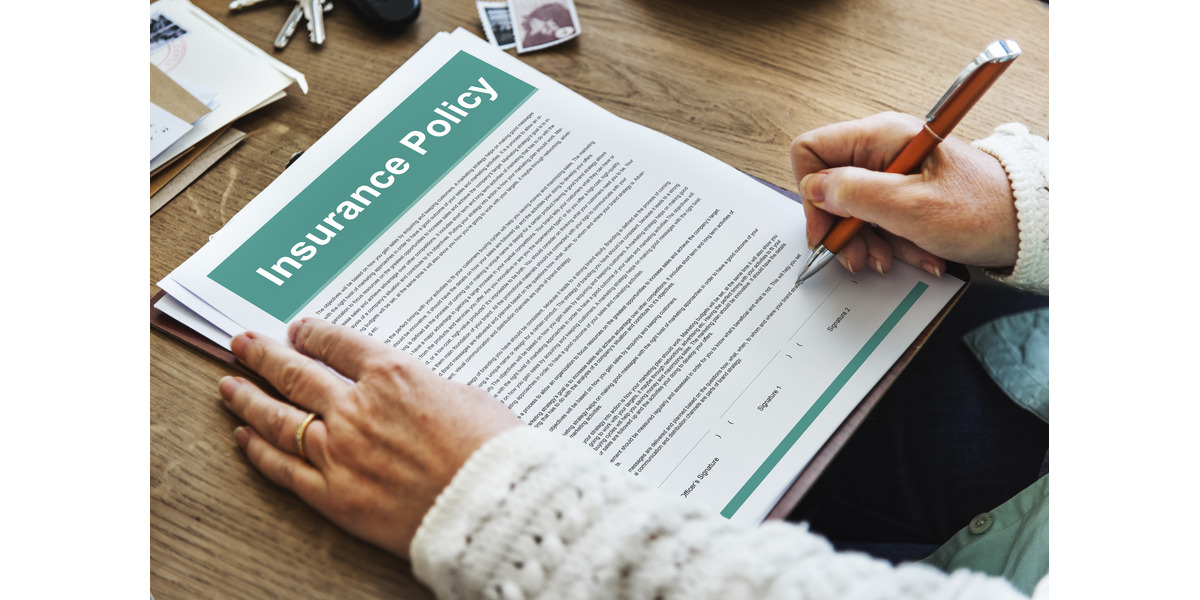
- $30,000 for bodily injury per person
- $60,000 for bodily injury per accident
- $25,000 for property damage
While this coverage meets the legal requirement, it often fails to adequately protect accident victims.
For example:
- A single surgery can cost more than $80,000
- A traumatic brain injury can exceed $1 million in lifetime medical costs.
- Long-term rehabilitation may cost thousands per month.
Why Medical Bills Often Exceed Policy Limits?
Emergency Medical Treatment
-
- Ambulance transportation
- Emergency room treatment
- Diagnostic imaging, such as CT scans or MRIs
- Immediate surgical intervention
Surgical Procedures
-
- Broken bones
- Internal bleeding
- Spinal injuries
- Organ damage
Long-Term Medical Care
-
- Physical therapy
- Occupational therapy
- Pain management
- Psychological counseling
- Assistive devices
Lost Wages and Reduced Income
Many accident victims cannot return to work immediately after their injuries. Some may suffer permanent disabilities that prevent them from returning to their previous careers.
What Happens When Medical Bills Exceed Policy Limits in Texas?
When a serious accident results in extensive injuries, medical costs can quickly grow beyond the insurance coverage carried by the at-fault driver.
In Texas, this situation is more common than many people realize because the state’s minimum liability insurance requirements are relatively low compared to the real cost of medical care.
When medical bills exceed policy limits in Texas, the claims process becomes more complicated, and victims must consider several additional steps to protect their financial future.
Understanding Policy Limits in Injury Claims
Every auto insurance policy has a maximum payout amount, known as the policy limit. This is the highest amount the insurance company will pay for damages resulting from an accident. Even if your medical bills, lost wages, and pain and suffering exceed that amount, the insurer is generally only required to pay up to the policy limit.
In Texas, many drivers carry the minimum required bodily injury coverage of $30,000 per person. Unfortunately, this amount is rarely enough when someone suffers serious injuries such as spinal damage, traumatic brain injuries, or multiple fractures.
Once the insurance company confirms that your claim exceeds the available coverage, they may offer a policy limit settlement.

What Is a Policy Limit Settlement?
A policy limit settlement occurs when the insurance company agrees to pay the full maximum amount allowed under the at-fault driver’s policy to resolve the claim. In many cases, this is done to protect the insured driver from a potential lawsuit and to quickly close the case.
For example:
-
- Medical bills: $200,000
- At-fault driver’s policy limit: $30,000
Because the insurer cannot legally pay more than the policy allows, it may offer the entire $30,000 to settle the claim.
At first glance, receiving the full policy amount might seem like a positive outcome. However, the reality is that the settlement may only cover a small portion of the victim’s total damages.
In the example above, even after receiving the policy limit payment, the victim may still face $170,000 in unpaid medical expenses, not to mention lost wages, rehabilitation costs, and pain and suffering.
This is why situations where medical bills exceed policy limits in Texas require careful legal evaluation.
The Insurance Company’s Strategy
Insurance companies often move quickly when they realize that damages exceed the policy limit. Their goal is to resolve the claim as soon as possible to limit their exposure and avoid additional legal complications.
Typically, the insurer will:
-
- Offer the full policy limit.
- Request that the victim sign a release of liability.
- Attempt to close the case permanently.
Signing a release means the victim agrees not to pursue any further claims related to the accident against the insured driver or the insurance company.
This step is extremely important because once the release is signed, the victim generally cannot seek additional compensation from that insurance policy.
Why Accepting a Policy Limit Settlement Can Be Complicated?
While accepting the policy limit may provide quick financial relief, it can create challenges if the victim still has significant unpaid expenses.
Medical providers, health insurance companies, and hospitals may still expect payment for treatment. In some cases, healthcare providers place medical liens, which are legal claims to a portion of a settlement, on the settlement funds. A lien allows the provider to be paid directly from the compensation received, covering outstanding medical bills.
For example, if a hospital placed a $50,000 lien but the settlement is only $30,000, the victim could receive little or no money after the lien is paid unless the bills are negotiated.
This is one reason why legal assistance becomes especially important when medical bills exceed policy limits in Texas.
Legal Options When Insurance Is Not Enough
Fortunately, several options may help recover additional compensation when medical bills exceed policy limits in Texas. While the at-fault driver’s insurance may not fully cover your damages, other legal and financial strategies may help reduce your burden and increase the compensation you receive.
These options include:
Underinsured Motorist Coverage
Personal Injury Lawsuits
Claims Against Additional Liable Parties
Negotiating Medical Bills
Structured Settlements
In some cases, compensation may be arranged as a structured settlement rather than a single lump-sum payment. This type of settlement provides scheduled payments over time, helping victims manage long-term medical expenses and financial needs following a serious injury.
Underinsured Motorist Coverage Explained
One of the most valuable protections available to Texas drivers is Underinsured Motorist (UIM) coverage.
UIM coverage applies when the at-fault driver’s insurance policy does not fully cover the damages caused by an accident.
For example:
-
- Your medical bills: $150,000
- At-fault driver’s policy limit: $30,000
- Your UIM coverage: $100,000
However, insurance companies often attempt to minimize UIM payouts, even when dealing with their own customers.
This is why legal representation can be crucial when medical bills exceed policy limits in Texas.
Filing a Personal Injury Lawsuit Against the At-Fault Driver
While the driver’s insurance may be limited, the driver may still be personally liable for damages.
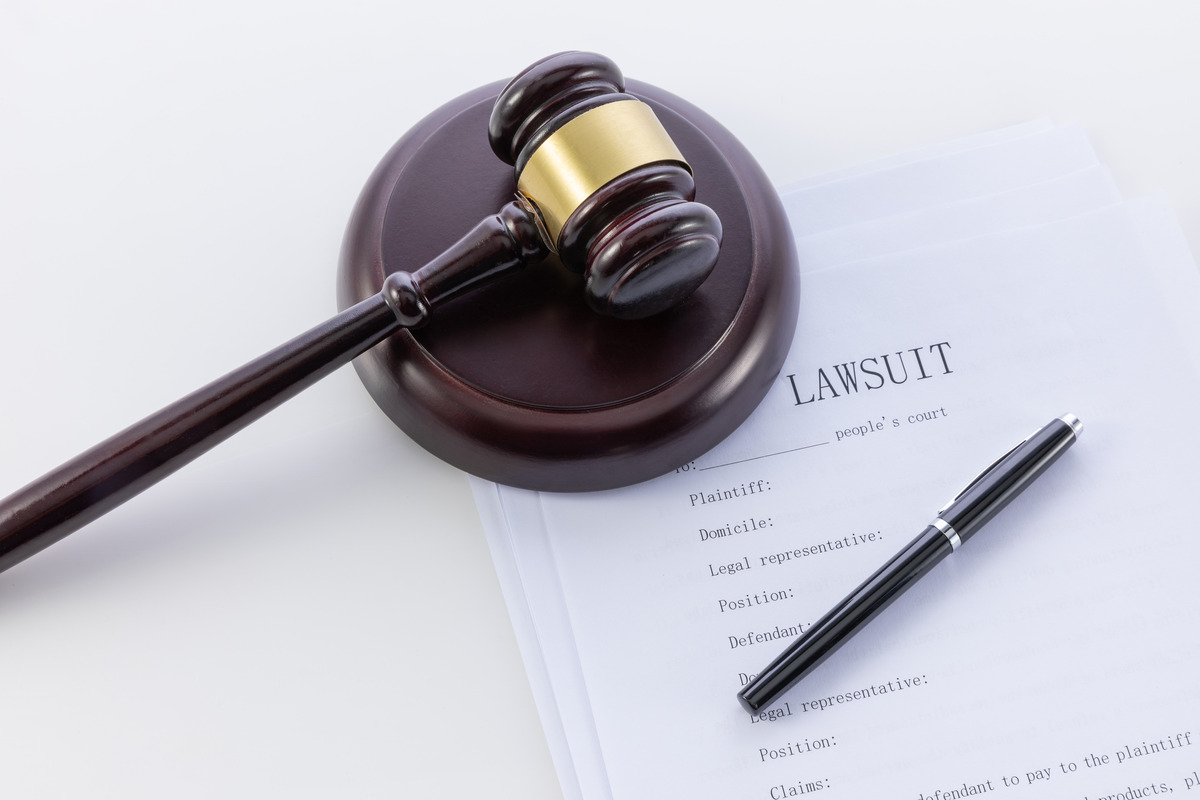
-
- Medical expenses
- Future medical care
- Lost wages
- Loss of earning capacity
- Pain and suffering
- Emotional distress
However, collecting compensation depends on the at-fault driver’s financial situation and available assets.
An experienced attorney can evaluate whether pursuing a lawsuit is practical.
Identifying Additional Liable Parties
Some accidents involve multiple responsible parties.
Examples include:
Employer Liability
If the driver who caused the accident was working at the time, their employer may also be liable.
This is common in accidents involving:
-
- Delivery drivers
- Commercial truck drivers
- Company vehicles
Vehicle Manufacturer Liability
If the accident was caused by a defective vehicle component, such as faulty brakes or airbags, the manufacturer may be held responsible.
Product liability claims can provide additional sources of compensation.
Government Liability
Poor road design, missing traffic signals, or dangerous road conditions may contribute to accidents.
In these situations, a government entity may share responsibility.
Negotiating Medical Bills and Hospital Liens
When medical bills exceed policy limits in Texas, attorneys often negotiate directly with healthcare providers.
Hospitals and medical providers frequently place liens on settlement proceeds.
A medical lien allows providers to claim payment from any compensation the victim receives.
However, experienced attorneys can negotiate:
-
- Reduced hospital bills
- Lower lien amounts
- Payment plans
- Settlement discounts
The Impact of Comparative Fault in Texas
Texas follows a modified comparative negligence rule.
Under this system:
-
- Victims can recover compensation if they are less than 51% responsible for the accident.
- Their compensation is reduced by the percentage of fault they bear.
For example:
If a victim is awarded $100,000 but found 20% responsible, they will receive $80,000.
Insurance companies often attempt to shift blame to reduce payouts, especially when medical bills exceed policy limits in Texas.
A strong legal strategy is essential to challenge these claims.
How Insurance Companies Handle High-Damage Claims?

- Despite the severity of injuries.
- Delay claims processing
- Offer quick but low settlement amounts.
- Argue that treatments were unnecessary
- Assign partial blame to the victim.
These tactics are particularly common in cases where medical bills exceed policy limits in Texas, because insurers want to limit payouts.
Having an experienced attorney helps level the playing field.
The Importance of Legal Representation
Cases involving insufficient insurance coverage are often complex.
An experienced personal injury attorney can:
Conduct a Thorough Investigation
-
- Accident reports
- Medical documentation
- Expert testimony
- Witness statements
-
- Employer liability policies
- Umbrella insurance coverage
- Commercial insurance policies
File Lawsuits When Necessary
If negotiations fail, attorneys can pursue litigation to seek full compensation for their clients.
When medical bills exceed policy limits in Texas, legal representation often makes a significant difference in the outcome of a claim.
Final Thoughts
Severe accidents often create overwhelming financial challenges for victims and their families. When medical bills exceed policy limits in Texas, it may feel like there are no solutions.
However, Texas law provides multiple paths for accident victims to pursue additional compensation. From underinsured motorist coverage to personal injury lawsuits and negotiated medical bill reductions, there are strategies that may significantly improve your financial recovery.
Understanding your rights and exploring all available options is essential to protecting your future.
Contact Roxell Richards Injury Law Firm Today
If you or a loved one has been injured in an accident and medical bills exceed policy limits in Texas, you should not face the insurance companies alone. These cases can quickly become complex, and insurers often try to limit payouts even when victims are entitled to more compensation.
At Roxell Richards Injury Law Firm, we are committed to fighting for injured Texans. Our experienced legal team thoroughly investigates every case, identifies all possible sources of compensation, and aggressively negotiates with insurance companies to pursue the maximum recovery for our clients.
Your recovery and financial stability matter.
Contact Roxell Richards Law Firm today for a free consultation and learn how we can help you pursue the compensation you deserve.
Roxell Richards Injury Law Firm
6420 Richmond Ave. Ste. #135
Houston, TX 77057
Phone: (713) 974-0388
Fax: (713) 974-0003
Frequently Asked Questions
1. What does it mean when medical bills exceed policy limits in Texas?
It means the total cost of medical treatment after an accident is higher than the maximum amount the at-fault driver’s insurance policy will pay. When medical bills exceed policy limits in Texas, victims must look for additional sources of compensation, such as underinsured motorist coverage or legal claims.
2. Can I still recover compensation if the other driver’s insurance is not enough?
Yes. Victims may pursue compensation through additional insurance policies, lawsuits against the at-fault driver, or claims against other responsible parties.
3. Will my health insurance help pay accident-related medical bills?
In many cases, health insurance may cover some treatment costs. However, the insurer may place a lien on your settlement and seek reimbursement once your case is resolved.
4. Should I accept a policy limit settlement offer?
Not always. While policy limit settlements can provide quick compensation, there may be additional recovery options available. An attorney can evaluate whether accepting the offer is in your best interest.
5. How can a personal injury attorney help when medical bills exceed policy limits in Texas?
An attorney can investigate the accident, identify additional sources of compensation, negotiate medical bills, handle insurance matters, and, if necessary, file lawsuits to maximize recovery.
RELATED
PRACTICE AREAS
Personal Injury Accidents
About Atty. Roxell Richards
Reviewed and led by Attorney Roxell Richards, a Texas-licensed personal injury and truck accident lawyer with 20+ years of experience representing injured victims across Texas and California.
Attorney Richards is the founder of Roxell Richards Injury Law Firm and focuses on commercial truck and auto accident litigation, including 18-wheeler crashes and serious injury cases. She is admitted to practice law in the State Bar of Texas and is known for providing client-centered, technology-driven legal representation.
Join our Newsletter
Get free legal tips and updateds from our giveaways

LOCATION
6420 Richmond Ave. ste. #135
Houston, TX 77057
Phone: (713) 974-0388
Fax: (713) 974-0003
CALIFORNIA OFFICE
Phone: 626-628-9262
CONTACT US
Local: (713) 974-0388
Toll Free: 1-855-GOT-INJURED
Email: intake@roxellrichards.com
TERMS & CONDITIONS | PRIVACY POLICY
FOLLOW US:
Copyright © 2021 www.roxellrichards.com | All Rights Reserved
TEXAS OFFICE 713974-0388
CALIFORNIA OFFICE: 626-628-9262
TEXT US: 832-480-7413