

Rear-end collisions are one of the most common types of car accidents on U.S. roads. According to the National Highway Traffic Safety Administration (NHTSA), nearly one-third of all car crashes involve one vehicle striking another from behind. These accidents often occur suddenly when traffic slows, a light turns red, or a driver glances at their phone for just a second.
While rear-end accidents might appear simple at first glance, questions about rear-end collision fault can quickly become complicated. Is the driver who hit the other always at fault? What if the car in front stopped suddenly or had broken brake lights?
Suppose you’ve been in a rear-end collision. In that case, this guide will walk you through everything you need to know: how fault is determined, what to do right after the accident, how to protect your rights, and why hiring an experienced personal injury attorney like Roxell Richards Injury Law Firm can make all the difference in your case.
Table of Contents:
- Understanding Rear-End Collisions
- Who Is at Fault in a Rear-End Collision?
- Common Causes of Rear-End Collisions
- What to Do Immediately After a Rear-End Collision
- How Fault Is Determined in Rear-End Accidents
- Common Injuries and Damages in Rear-End Crashes
- Insurance Claims and Compensation Process
- Why You Need a Lawyer After a Rear-End Collision
- Contact Roxell Richards Injury Law Firm Today
Understanding Rear-End Collisions
A rear-end collision occurs when one vehicle strikes the rear of another. These accidents are often called “fender benders,” but that term can be misleading. Even a low-speed impact can cause serious injuries, emotional trauma, and significant property damage.
Rear-end crashes frequently occur at intersections, at stop signs, or in congested traffic. The most common scenario involves a driver failing to notice that traffic ahead has slowed or stopped, leading to a collision.
-
- Nearly 2.5 million rear-end collisions occur annually in the U.S.
- 87% of these accidents are caused by distracted driving.
- In many cases, the driver who rear-ends another vehicle is found legally liable for the damages.
The consequences can vary from minor vehicle dents to catastrophic injuries. The physics of a rear-end impact often cause the occupants of the front vehicle to be thrown forward violently, leading to injuries such as whiplash, spinal cord damage, and concussions.
Understanding what causes these accidents is critical to determining fault in rear-end collisions and building a strong personal injury claim.
Who Is at Fault in a Rear-End Collision?
The general rule is that the rear driver is presumed at fault, as drivers have a duty to maintain a safe distance and to pay attention to road conditions. But, as with most legal matters, there are exceptions.
Why the Rear Driver Is Usually at Fault
When you drive, you’re responsible for controlling your vehicle safely. That means:
-
- Keeping enough distance to stop if traffic slows or stops suddenly.
- Paying attention to brake lights and road signals.
- Avoiding distractions like texting or eating.
If you fail to do so and hit another car from behind, you’ve breached your legal duty to operate safely, making you liable for the crash.
Situations Where Fault May Be Shared
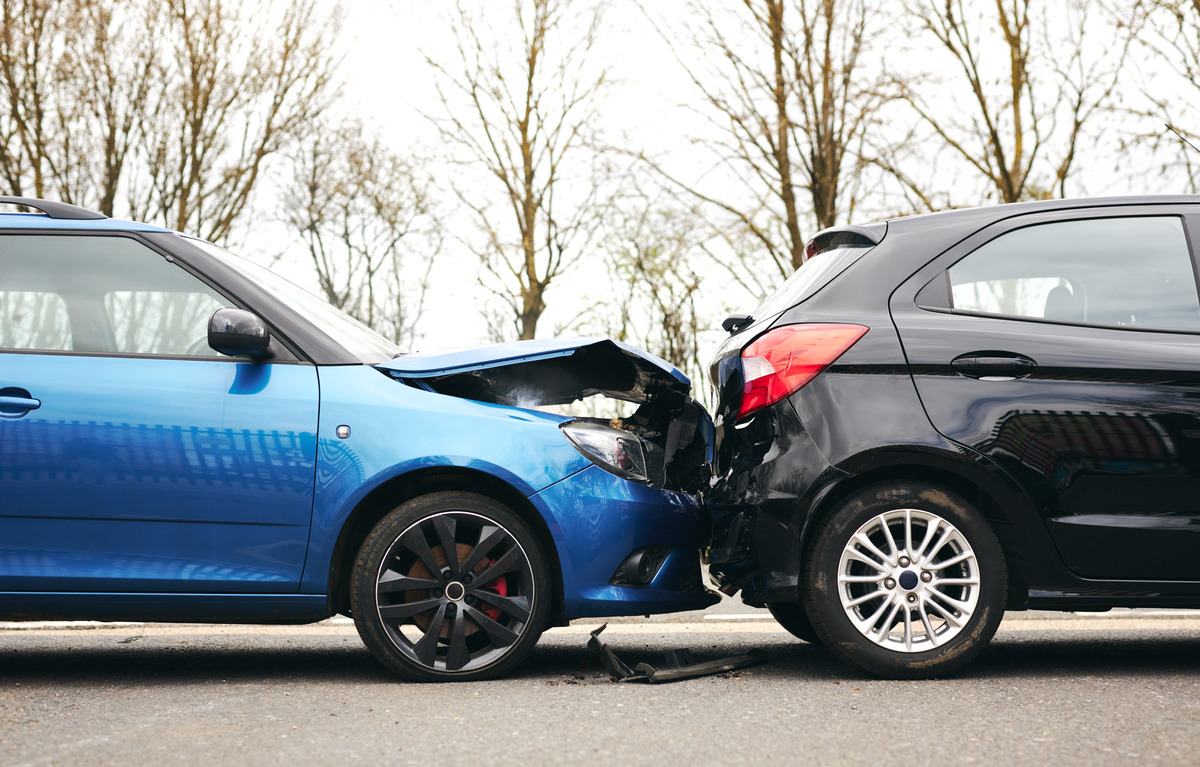
While most rear-end collisions are straightforward, some involve shared or disputed fault:
-
- Sudden stops: If the driver in front slams on their brakes for no valid reason, they may share liability.
- Broken brake lights: Faulty or non-functioning brake lights can make it hard for the rear driver to react.
- Reversing into another car: If the lead driver backs up without warning, they may be held partially or fully at fault.
- Cutting in too closely: A driver who merges abruptly into another lane and gets rear-ended could share responsibility.
In Texas and many other states, comparative negligence laws apply. This means both drivers’ actions are evaluated, and each is assigned a percentage of fault.
Example:
Common Causes of Rear-End Collisions
Every rear-end crash has its own story, but some patterns are pervasive. Understanding them helps reveal faults in rear-end collisions and prevents future accidents.
1. Distracted Driving
Texting, checking GPS, or reaching for something inside the car are leading causes of rear-end crashes. A few seconds of inattention can mean missing critical traffic cues.
2. Tailgating
Driving too closely behind another car drastically reduces your reaction time. Tailgating is one of the most cited causes in rear-end accident police reports.
3. Speeding
Speed limits exist for a reason. At higher speeds, the braking distance increases exponentially. A split-second decision can’t overcome physics.
4. Sudden Stops
Drivers may have to stop quickly for pedestrians, traffic lights, or hazards. Rear drivers are expected to maintain awareness and distance to avoid collisions.
5. Weather Conditions
Rain, snow, or fog reduces visibility and traction. A driver who doesn’t adjust speed for these conditions may be deemed negligent.
6. Mechanical Failures
Defective brakes, worn tires, or malfunctioning brake lights can contribute to a crash. In some cases, a mechanic or manufacturer could share liability under product liability law.
7. Drunk or Fatigued Driving
Alcohol, drugs, and exhaustion impair judgment and reaction time. These conditions frequently contribute to severe rear-end collisions, particularly at night.
Understanding the root cause is the first step toward proving rear-end collision fault and seeking fair compensation.
What to Do Immediately After a Rear-End Collision
Follow these steps carefully:
1. Stay Calm and Check for Injuries
Ensure you and your passengers are safe. If anyone is hurt, call 911 immediately. Even if injuries appear minor, seek medical evaluation, as some conditions take hours or days to manifest.
2. Move to a Safe Spot
If possible, move your vehicle out of traffic to prevent further accidents. Turn on hazard lights and set up flares or cones if you have them.
3. Call the Police
Always file a police report, no matter how small the accident may seem. This official record will be critical evidence in proving fault in a rear-end collision.
4. Exchange Information
Collect:
-
- Full names and contact information
- Driver’s license numbers
- Insurance details
- License plate numbers
- Vehicle make and model
Take multiple photos and videos from different angles. Include skid marks, traffic lights, weather conditions, and any visible injuries.

If anyone saw the collision, get their name and phone number. Neutral witnesses can strengthen your case.
7. Seek Medical Attention
Even at low speeds, rear-end collisions can cause soft tissue damage, concussions, or spinal injuries. Keep all medical records, as they’ll be essential for your claim.
8. Notify Your Insurance
Report the accident, but avoid detailed statements. Insurance adjusters often look for ways to minimize payouts.
9. Call an Experienced Car Accident Lawyer
How Fault Is Determined in Rear-End Accidents
Establishing fault in a rear-end collision involves both factual investigation and the application of traffic laws. Insurance adjusters, attorneys, and sometimes courts review all available evidence.
Key Factors Considered:
-
- Police Reports: Officers include witness statements, citations, and observations about driver behavior.
- Traffic Laws: Violations such as tailgating or texting while driving are strong indicators of fault.
- Damage Patterns: The type and location of vehicle damage can reveal who hit whom.
- Eyewitness Accounts: Unbiased witnesses can confirm sudden stops or reckless driving.
- Surveillance or Dashcam Footage: Video evidence provides undeniable proof of events.
- Expert Testimony: Accident reconstruction experts use physics and vehicle dynamics to recreate the scene.
Common Injuries and Damages in Rear-End Crashes
Rear-end collisions can produce a range of injuries, some visible, others internal or delayed. Medical experts often classify them as impact-related or whiplash-associated disorders (WAD).
1. Whiplash
A rapid back-and-forth neck motion stretches soft tissues, leading to pain, headaches, and limited movement.
2. Back and Spinal Injuries
Herniated discs or spinal misalignment can cause long-term discomfort and disability.
3. Concussions and Traumatic Brain Injuries (TBIs)
Even mild impacts can cause brain injuries that affect memory, concentration, and mood.
4. Broken Bones
Wrists, ribs, and collarbones often fracture during impact, whether from airbag deployment or bracing.
5. Facial Injuries
Airbags, steering wheels, or broken glass can lead to cuts, bruises, or even dental damage.
6. Emotional Trauma
Accident victims often experience anxiety, sleep disturbances, or PTSD, especially if the crash was severe.
7. Financial Losses
Damages extend beyond physical harm:
-
- Medical bills (current and future)
- Lost income from time off work
- Pain and suffering
- Vehicle repair or replacement costs
- Diminished earning capacity
Insurance Claims and Compensation Process

Your attorney will file a claim with the at-fault driver’s insurance, supported by police reports, photos, medical bills, and witness statements.
2. Insurance Investigation
The insurer assigns an adjuster to review evidence and determine fault. Be cautious: their goal is to save the company money, not to protect your interests.
3. Settlement Negotiation
Your lawyer will calculate your full damages, not just car repairs, such as lost wages, pain, and long-term care costs, and negotiate for a fair payout.
4. Litigation (if Necessary)
If the insurer refuses a fair settlement, your attorney can file a lawsuit. Litigation involves discovery, depositions, and potentially a jury trial to determine damages.
5. Compensation Types
Victims may recover:
-
- Economic damages: medical expenses, lost income, and property damage.
- Non-economic damages: pain and suffering, emotional distress, reduced quality of life.
- Punitive damages: in extreme cases of recklessness or DUI.
Why You Need a Lawyer After a Rear-End Collision
Many people believe rear-end collisions are simple insurance matters, but insurers often exploit victims’ lack of legal knowledge. A skilled personal injury attorney can make all the difference in securing justice and full compensation.
Here’s How Roxell Richards Injury Law Firm Helps You:
We meticulously gather police reports, photos, medical documentation, and witness statements to prove rear-end collision fault beyond dispute.
2. Negotiating With Insurance Companies
Insurance companies often offer low settlements quickly, hoping you’ll accept before realizing the full extent of your damages. Our lawyers handle all communication, ensuring no detail is overlooked.
3. Calculating the True Value of Your Claim
We assess both economic and non-economic damages, including medical costs, rehabilitation, lost income, and emotional suffering.
4. Representing You in Court
If the insurer refuses to pay fairly, we’re fully prepared to take your case to trial. We don’t settle for less than what you deserve.
5. Offering Compassionate Support
Contact Roxell Richards Injury Law Firm Today
If you or a loved one has been involved in a rear-end collision, don’t wait to get help. Every moment counts when gathering evidence, documenting injuries, and protecting your legal rights.
At Roxell Richards Injury Law Firm, we specialize in personal injury and car accident cases across Texas. We’ve helped countless victims recover the compensation they need to rebuild their lives.
We operate on a contingency fee basis, meaning you pay nothing unless we win your case.
Let us handle the insurance companies while you focus on healing. With Roxell Richards by your side, you’ll never have to face the aftermath of a rear-end collision alone.
Final Thoughts
Rear-end collisions can happen in an instant, but the consequences can last a lifetime. Understanding how fault in rear-end collisions is determined gives you the knowledge to protect yourself legally and financially.
Whether you’re the victim or the accused driver, having experienced legal representation can make the difference between a denied claim and a full financial recovery.
If you’ve suffered injuries, property damage, or emotional distress after a rear-end accident, don’t wait for insurance companies to dictate the outcome. Contact Roxell Richards Law Firm today for a free consultation, where your justice is our mission.
Houston, TX z7057
Phone: (713) 974-0388
Fax: (713) 974-0003
FREQUENTLY ASKED QUESTIONS
1. Is the rear driver always at fault in a rear-end collision?
Usually, yes, but not in every case. The law presumes the rear driver is responsible, but exceptions exist when the front driver acts negligently or when mechanical defects contribute.
2. Can both drivers share fault in a rear-end accident?
Yes. Under comparative negligence laws, both drivers can share responsibility. Your percentage of fault reduces your compensation.
3. What if the driver in front stopped suddenly?
Sudden stops don’t automatically excuse the rear driver. Each case is examined based on reaction time, distance, and reason for braking.
4. How long do I have to file a claim?
In Texas, the statute of limitations is two years from the date of the accident. Missing this deadline can permanently bar recovery.
5. Should I talk to the other driver’s insurance company?
No. Their adjusters work to minimize payouts. Let your lawyer handle all communication to avoid statements that could be used against you.