TEXAS OFFICE: +1 713974-0388 | CALIFORNIA OFFICE: +1 626-628-9262 | TEXT US: +1 832-480-7413
TEXAS OFFICE 713974-0388
CALIFORNIA OFFICE: 626-628-9262
TEXT US: 832-480-7413

Public Transportation Accident Lawyer

Public transportation is essential in cities, giving millions access to jobs, education, and healthcare. While designed to reduce traffic and promote safety, system failures due to negligence, mechanical issues, or human error can cause serious harm.
If you or a loved one has been injured while using public transportation, an experienced lawyer can help. These cases are complex and often involve government agencies, private contractors, and procedural rules unlike those in ordinary car accident claims.
At Roxell Richards Injury Law Firm, we are here to help you if you’ve been harmed in a public transportation accident. We will fight to hold negligent parties accountable for your losses. This comprehensive guide is designed to help you understand what a public transportation accident is, how liability may affect your case, the types of compensation you could pursue, and how hiring the right attorney can make a real difference in your recovery.
Table of Contents:
- What Is a Public Transportation Accident?
- Types of Public Transportation Accidents
- Why Public Transportation Accidents Are So Dangerous
- Common Causes of Public Transportation Accidents
- Who Can Be Held Liable in a Public Transportation Accident?
- Government Agencies and Sovereign Immunity
- Injuries Commonly Caused by Public Transportation Accidents
- The Role of a Public Transportation Accident Lawyer
- Evidence Needed to Prove a Public Transportation Accident Claim
- Compensation Available to Victims
- What to Do After a Public Transportation Accident
- Why Choose Roxell Richards Injury Law Firm
- Contact a Public Transportation Accident Lawyer Today
What Is a Public Transportation Accident?
A public transportation accident is any incident involving a vehicle or system used to transport passengers as part of a public or semi-public transit service. These systems are often operated by city, county, state, or regional authorities, though some are managed by private companies under government contracts.
Public transportation accidents can involve:
-
- Passengers riding inside transit vehicles.
- Pedestrians near transit routes or stations
- Cyclists sharing the roadway
- Drivers of other vehicles involved in collisions
A knowledgeable public transportation accident lawyer will help you understand your rights and ensure you do not miss important deadlines or procedural requirements that could impact your case.
Types of Public Transportation Accidents
Bus Accidents
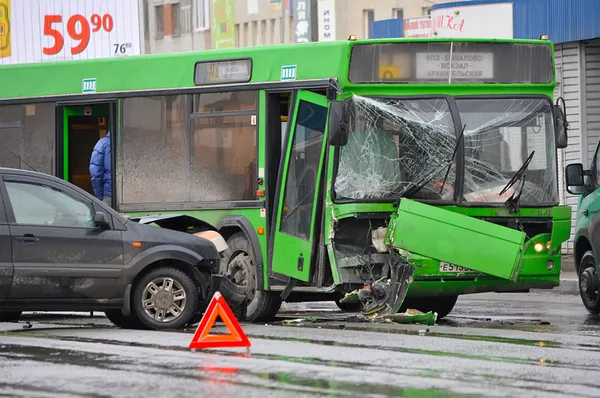
Bus accidents are among the most common public transportation incidents. City buses frequently operate in dense traffic, make frequent stops, and carry standing passengers.
-
- Sudden stops cause passengers to fall.
- Collisions with cars, motorcycles, or bicycles
- Pedestrians are struck while boarding or exiting.
- Bus rollovers due to speeding or sharp turns
- Accidents caused by distracted or fatigued drivers
Subway and Train Accidents
-
- Derailments
- Train-to-train collisions
- Platform accidents
- Door malfunctions
- Sudden braking injuries
Light Rail and Streetcar Accidents
Station and Platform Accidents
-
- Wet or slippery floors
- Broken stairs or escalators
- Poor lighting
- Overcrowding
- Inadequate security
Why Public Transportation Accidents Are So Dangerous
Public transportation accidents are often far more dangerous than standard passenger vehicle crashes due to the size, design, and operating environment of transit vehicles. Unlike private cars, buses, trains, and light rail systems are engineered to carry large numbers of people efficiently, not to protect individual passengers in high-impact collisions.
When something goes wrong, the risk of serious or catastrophic injury increases dramatically.
Large Vehicle Size and Weight Increase Impact Force
Public transportation vehicles, such as buses and trains, are much larger and heavier than cars. In collisions, they generate more force, increasing injury risk.
This increased force often results in:
-
- Severe blunt-force trauma
- Multiple secondary impacts inside the vehicle
- Extensive damage to smaller vehicles or pedestrians
- Higher likelihood of fatal injuries
Lack of Seat Belts and Safety Restraints
Unlike passenger cars, most public transportation vehicles are not equipped with seat belts. Transit systems rely on compartmentalization, the idea that passengers are protected by spacing and interior design rather than individual restraints. While this approach may reduce costs and improve accessibility, it significantly increases the risk of injury during sudden stops or collisions.
Without seat belts, passengers can be:
-
- Thrown forward or sideways
- Slammed into poles, seats, or walls
- Ejected from their seats
- Piled onto by other riders
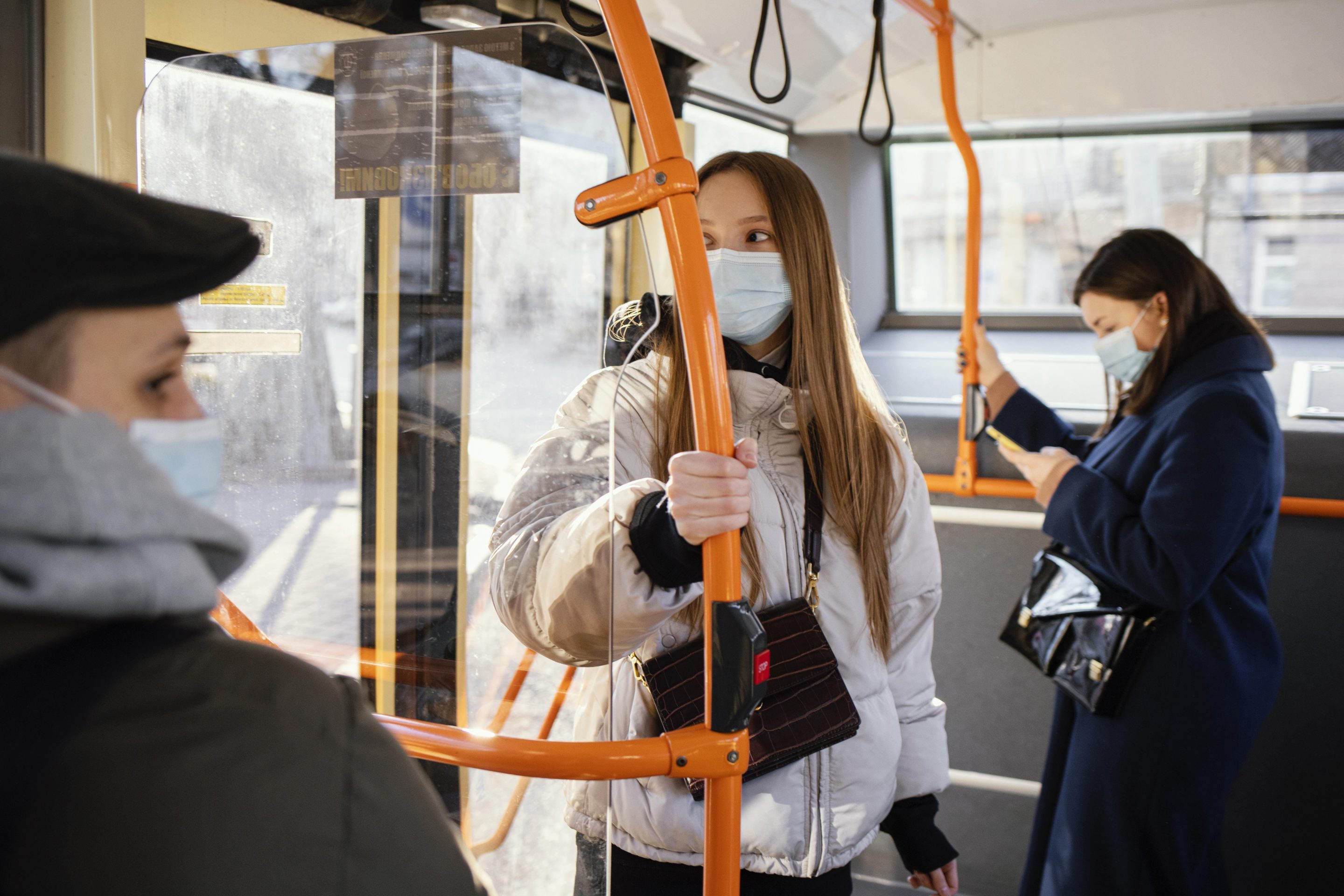
Standing Riders Are Especially Vulnerable
-
- Falls resulting in head injuries
- Broken wrists, arms, or legs while trying to brace for impact
- Neck and spinal injuries
- Traumatic brain injuries from hitting hard surfaces
High Passenger Density Amplifies Injury Risk
Public transportation often operates at full capacity. In accidents, passengers may collide with the vehicle or with each other, increasing the risk of injury.
This creates a dangerous domino effect where:
-
- One passenger’s fall knocks others down.
- Multiple bodies absorb and transfer impact forces.
- Escape and evacuation become difficult.
- Emergency responders face challenges accessing injured victims.
Limited Escape Routes During Emergencies
Public transportation vehicles and stations have limited exits, which may be blocked during emergencies, making escape harder and increasing injury risk.
Limited escape options can lead to:
-
- Smoke inhalation and burns
- Crush injuries during panic or evacuation
- Delayed medical treatment
- Heightened psychological trauma
Elevated Risk for Pedestrians and Cyclists
When pedestrians or cyclists are struck, injuries are often catastrophic and may include:
-
- Severe head trauma
- Spinal cord injuries
- Multiple fractures
- Fatal injuries
Why These Dangers Matter Legally
An experienced public transportation accident lawyer understands how these risk factors contribute to injury severity and uses them to build strong claims for compensation. By demonstrating how the design, operation, and conditions of public transportation systems increase danger, attorneys can hold negligent parties accountable and pursue maximum recovery for injured victims.
Common Causes of Public Transportation Accidents
Public transportation accidents rarely happen without warning. In many cases, they result from preventable negligence.
Common causes include:
- Driver distraction or fatigue
- Inadequate training of operators
- Poor vehicle maintenance
- Mechanical or equipment failures
- Defective brakes or signals
- Speeding or reckless operation
- Failure to follow safety protocols
- Overcrowding
Who Can Be Held Liable in a Public Transportation Accident?
- City, county, or state transit authorities
- Private transportation companies
- Bus or train operators
- Maintenance and repair contractors
- Manufacturers of defective parts
- Third-party drivers
Government Agencies and Sovereign Immunity
Many public transportation systems are operated by government agencies, which are protected by sovereign immunity laws. While these laws limit lawsuits against the government, they do not eliminate liability altogether.
However, special rules apply, including:
- Shortened deadlines for filing claims
- Mandatory notice requirements
- Specific filing procedures
- Limits on recoverable damages
Injuries Commonly Caused by Public Transportation Accidents
-
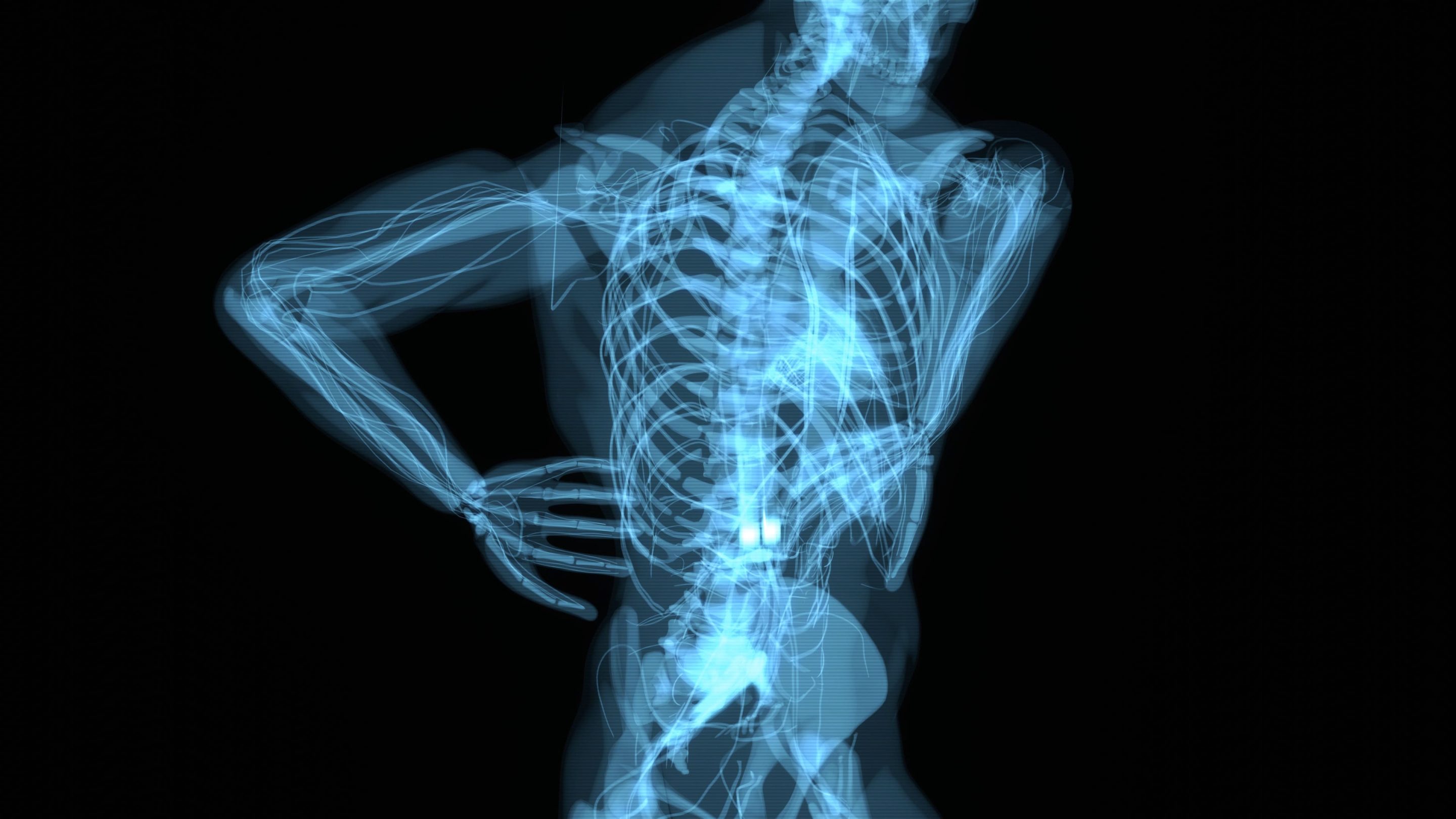
- Traumatic brain injuries
- Spinal cord injuries and paralysis
- Broken bones and fractures
- Neck and back injuries
- Internal organ damage
- Severe lacerations and burns
- Psychological trauma and PTSD
The Role of a Public Transportation Accident Lawyer
A public transportation accident lawyer provides comprehensive legal representation tailored to the complexities of transit-related claims.
Your attorney will:
-
- Conduct an in-depth investigation.
- Preserve critical evidence
- Obtain surveillance footage and records.
- Identify all liable parties.
- Handle communications with insurers and government entities.
- Calculate the full value of your damages.
- Negotiate aggressively for a fair settlement.
- Take your case to trial if necessary.
Evidence Needed to Prove a Public Transportation Accident Claim
Strong evidence is essential in public transportation accident cases.
Key evidence may include:
-
- Accident and incident reports
- Surveillance video from vehicles and stations
- Maintenance and inspection records
- Operator training and employment records
- Witness statements
- Medical records and expert testimony
Compensation Available to Victims
-
- Medical expenses
- Future medical care
- Lost wages
- Reduced earning capacity
- Pain and suffering
- Emotional distress
- Disability and disfigurement
- Wrongful death damages
What to Do After a Public Transportation Accident

- Seek immediate medical care.
Get medical attention right away, even if injuries seem minor. Some injuries take time to appear, and medical records are critical evidence in any injury claim. - Report the incident to the transit authorities.
Notify the bus driver, station personnel, or transit agency, and ensure an official incident report is filed. This creates a formal record of the accident. - Document injuries and accident details
Take photos of injuries, the vehicle, or the station, and anything that contributed to the accident. Write down what happened while the details are still fresh. - Collect witness information if possible.
Obtain the names and contact information of anyone who saw the accident. Witness statements can support your version of events. - Avoid giving recorded statements.
Do not speak with insurance adjusters or transit representatives without legal advice. Recorded statements can be used to limit or deny your claim. - Contact a public transportation accident lawyer.
An experienced public transportation accident lawyer can protect your rights, handle deadlines, and pursue full compensation on your behalf.
Why Choose Roxell Richards Injury Law Firm
At Roxell Richards Injury Law Firm, we are committed to protecting injury victims and holding powerful entities accountable.
When you choose us, you receive:
-
- Dedicated, personalized representation
- Extensive experience with complex injury cases
- Aggressive negotiation and litigation
- Clear communication and support
- No fees unless we win
Contact a Public Transportation Accident Lawyer Today
Public transportation accident claims are time-sensitive and legally complex. Waiting too long can cost you your right to compensation.
If you or a loved one has been injured in a public transportation accident, Roxell Richards Injury Law Firm is ready to help.
📞 Contact Roxell Richards Injury Law Firm right now for a FREE consultation.
⚖️ No upfront fees, you don’t pay unless we win
💼 Experienced public transportation accident lawyer on your side
Don’t let a transit authority or insurance company decide your future.
Contact Roxell Richards Injury Law Firm today and let us fight for the justice and compensation you deserve.
Houston, TX z7057
Phone: (713) 974-0388
Fax: (713) 974-0003
Frequently Asked Questions
1. Why do I need a public transportation accident lawyer?
These cases involve government entities, strict deadlines, and complex liability issues that require specialized legal experience.
2. Can I sue a city or transit authority?
Yes, but special procedures apply. An attorney ensures compliance with all legal requirements.
3. What if I were injured while standing on a bus or train?
Standing passengers still have legal rights, especially if unsafe driving or sudden stops caused the injury.
4. How long do I have to file a claim?
Deadlines vary but are often much shorter than standard injury claims. Acting quickly is critical.
5. What if the transit authority denies fault?
Denial is common. A public transportation accident lawyer conducts an independent investigation to prove negligence.
RELATED
PRACTICE AREAS
Personal Injury Accidents
About Atty. Roxell Richards
Reviewed and led by Attorney Roxell Richards, a Texas-licensed personal injury and truck accident lawyer with 20+ years of experience representing injured victims across Texas and California.
Attorney Richards is the founder of Roxell Richards Injury Law Firm and focuses on commercial truck and auto accident litigation, including 18-wheeler crashes and serious injury cases. She is admitted to practice law in the State Bar of Texas and is known for providing client-centered, technology-driven legal representation.
Join our Newsletter
Get free legal tips and updateds from our giveaways

LOCATION
6420 Richmond Ave. ste. #135
Houston, TX 77057
Phone: (713) 974-0388
Fax: (713) 974-0003
CALIFORNIA OFFICE
Phone: 626-628-9262
CONTACT US
Local: (713) 974-0388
Toll Free: 1-855-GOT-INJURED
Email: intake@roxellrichards.com
TERMS & CONDITIONS | PRIVACY POLICY
FOLLOW US:
Copyright © 2021 www.roxellrichards.com | All Rights Reserved
TEXAS OFFICE 713974-0388
CALIFORNIA OFFICE: 626-628-9262
TEXT US: 832-480-7413