
Houston Elevator/Escalator
Accident Injury Lawyer
What you need to do if you are involve in a workplace accident?












Why Choose Roxell Richards Injury Law Firm?
Focused Premises Liability Experience
Thorough Investigation
- Maintenance logs
- Inspection records
- Surveillance footage
- Incident reports
- Manufacturer safety bulletins
Maximum Compensation Strategy
- Emergency medical treatment
- Surgery and rehabilitation
- Lost wages
- Loss of earning capacity
- Pain and suffering
- Long-term disability
No Fees Unless We Win
Why These Causes Matter in Injury Claims?

- Missed inspections
- Ignored repair recommendations
- Expired service contracts
- Code violations
Elevator and escalator safety is governed by strict industry standards and building codes. When owners, maintenance companies, or manufacturers fail to meet those standards, they can be held legally responsible.
Understanding the mechanical cause of the accident is critical to proving negligence and securing full compensation.
Common Causes of Elevator & Escalator Accidents
Many elevator and escalator injuries are preventable. Most happen because of poor maintenance, mechanical failure, or building owner negligence.
According to the U.S. Bureau of Labor Statistics (BLS), elevators and escalators cause thousands of injuries each year, including roughly 27–30 deaths annually. The majority of fatalities involve workers performing installation or repairs, while passengers most often suffer fractures, head injuries, and soft tissue damage.
Here are the most common causes:
Poor Maintenance
Elevators and escalators require regular inspection, lubrication, testing, and part replacement.
Failure to inspect cables, brakes, motors, or control systems can lead to:
- Sudden stops
- Abrupt jerking movements
- Door timing failures
- Rare but serious drops
The Consumer Product Safety Commission (CPSC) reports that thousands of people are treated in emergency rooms each year for elevator- and escalator-related injuries, many tied to maintenance failures.
Neglected service logs and skipped inspections are common liability issues in these cases.
Mis-Leveling
Even a few inches can cause:
- Trip-and-fall injuries
- Broken wrists or ankles
- Hip fractures (especially in older adults)
Door Malfunctions
When sensors fail or are improperly calibrated, doors may:
- Close on passengers
- Reopen unexpectedly
- Fail to reopen after contact
Sudden Drops or Free Falls
- Rapid descents
- Hard landings
- Severe spinal injuries
- Traumatic brain injuries
Escalator Entrapment
- Loose clothing
- Sandals or soft footwear
- Small children’s shoes
- Missing or damaged side guards
Entrapment can lead to:
- Severe lacerations
- Amputations
- Crushing injuries
Overloaded Equipment
Exceeding those limits:
- Increases strain on cables and motors
- Accelerates component wear
- Raises the risk of malfunction
Third-Party Liability in Elevator & Escalator Accident Cases
When elevator or escalator accidents occur, responsibility isn’t always limited to the property owner. Many serious injuries result from defective equipment, improper maintenance, or design flaws — issues that may involve multiple responsible parties. Identifying all liable defendants is critical to maximizing compensation.
Below are common third parties that may be held liable in addition to — or instead of — a building owner:
• Manufacturers (Defective Parts)
Elevator and escalator systems rely on precision-engineered components — cables, brakes, controllers, door sensors, motors, and safety interlocks.
If a design flaw or manufacturing defect causes:
- Sudden drops
- Door failures
- Control system malfunctions
- Cable snaps or mis-leveling
- Design specifications
- Industry safety standards
- Failure analysis reports
Manufacturers have a legal duty to produce safe products and issue recalls when defects are discovered.
• Maintenance Contractors
Elevator and escalator maintenance companies perform routine inspections, repairs, lubrication, and safety testing. When maintenance tasks are skipped, improperly performed, or inadequately documented, critical safety systems can fail.
Federal data shows that maintenance and inspection lapses are a leading cause of mechanical incidents in vertical transportation systems.
If a maintenance contractor failed to:
- Replace worn cables
- Address brake warnings
- Document required inspections
- Respond to repair requests promptly
they may share liability for resulting injuries.
• Subcontractors
During repair, modernization, or retrofit projects, subcontractors may work on electrical systems, control panels, guide rails, or safety sensors. If a subcontractor’s negligence — such as improper installation or ignored safety protocols — contributes to an accident, they may be held liable.
Subcontractor involvement is especially common in:
- Elevator modernization projects
- Escalator renovation work
- Fire alarm or elevator recall implementation
Third-party claims help ensure that all negligent parties are held accountable.
• Construction Companies (New Build Defects)
- Improper shaft alignment
- Inaccurate leveling or leveling sensor errors
- Inadequate electrical grounding
- Failure to follow manufacturer specifications
Why Third-Party Claims Matter
Elevator and escalator accidents can result in catastrophic injuries — including fractures, spinal cord damage, amputations, and traumatic brain injuries.
Property owners are often insured and may argue that maintenance companies or manufacturers are to blame. A seasoned attorney will pursue all possible avenues of liability to ensure the responsible parties are held accountable.
Third-party liability claims may allow recovery of damages that a basic premises liability claim alone cannot, including:
- Full lost wages and future earning capacity
- Pain and suffering
- Disability compensation
- Long-term care costs
Who May Be Liable for an Elevator or Escalator Accident?
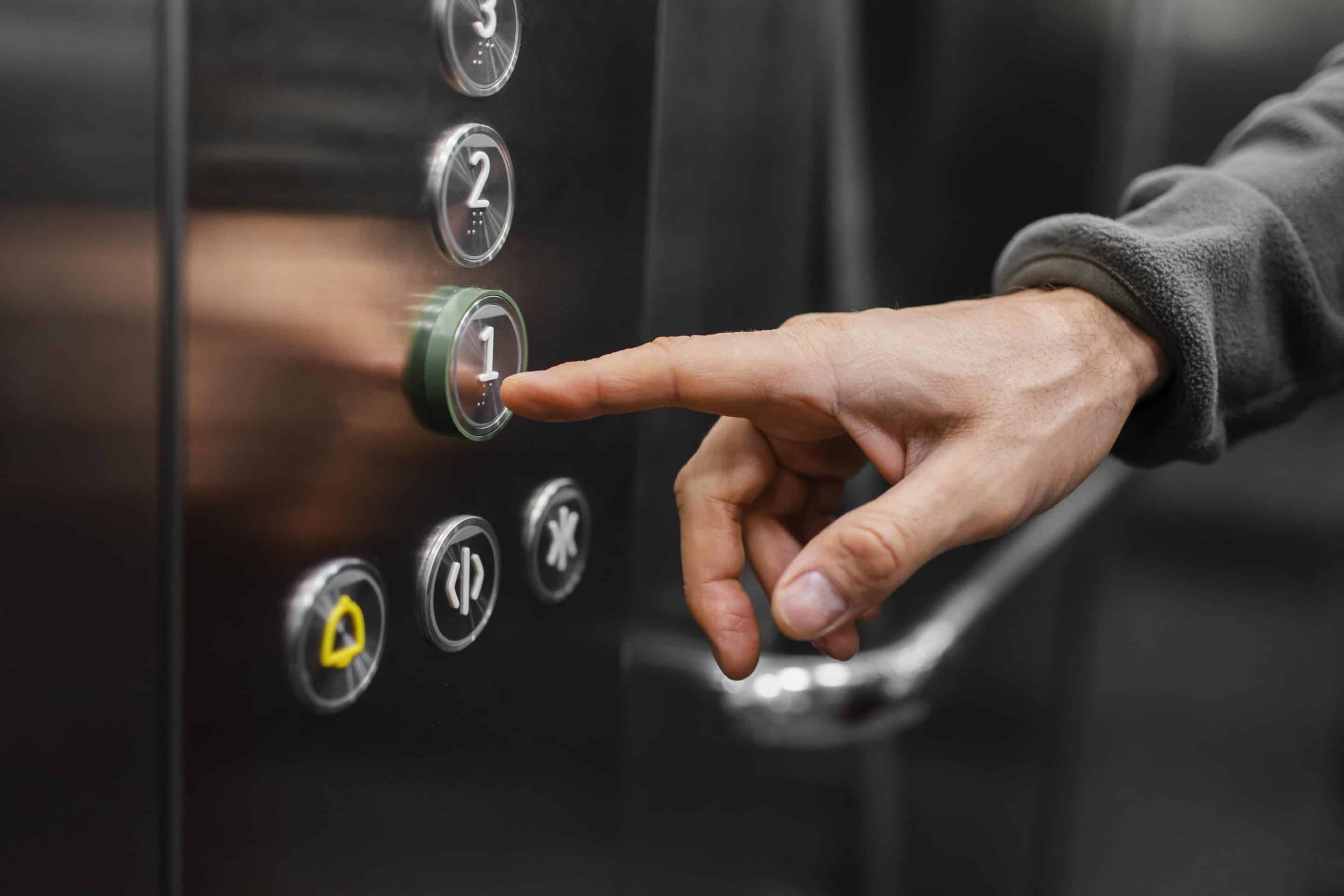
- Property owners
- Building management companies
- Elevator maintenance contractors
- Inspection companies
- Equipment manufacturers
When safety inspections are ignored, liability may extend beyond the building owner.
Common Elevator & Escalator Injuries
- Traumatic brain injuries
- Spinal cord injuries
- Broken bones
- Crush injuries
- Amputations
- Severe lacerations
- Wrongful death
How Common Are Elevator & Escalator Accidents?
- The BLS reports that dozens of workers die each year in elevator-related incidents.
- The CPSC estimates that escalator accidents result in thousands of injuries annually in the United States.
- Studies show that most elevator injuries involve sudden stops, door malfunctions, or mis-leveling (when the elevator does not align with the floor).
What to Do After an Elevator or Escalator Accident?

1. Seek Medical Care Immediately
Even minor symptoms may indicate serious internal injuries.
2. Report the Incident
Notify building management and request a written incident report.
3. Document the Scene
If possible, take photos of the elevator panel, floor level gap, warning signs, or malfunction indicators.
4. Gather Witness Information
Witness statements can help prove malfunction or negligence.
5. Avoid Recorded Statements
Insurance companies may attempt to limit liability.
6. Contact a Houston Elevator/Escalator Accident Injury Lawyer
Early investigation can preserve maintenance records and mechanical evidence.
In Texas, personal injury claims generally must be filed within two years, but early action strengthens your case.
Compensation Available in Elevator & Escalator Injury Claims
- Current and future medical expenses
- Lost wages
- Loss of earning capacity
- Physical impairment
- Pain and suffering
- Mental anguish
- Long-term disability damages
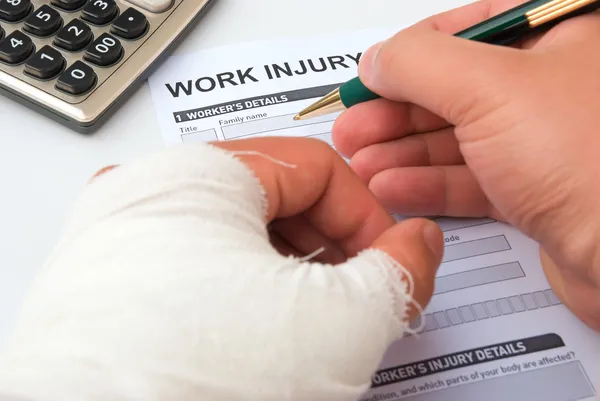
Why Elevator Accident Cases Require Legal Experience?

- Mechanical experts
- Safety code analysis
- Maintenance contract review
- Inspection history evaluation
Speak With a Houston Elevator & Escalator Accident Injury Lawyer Today!
If you were injured in an elevator or escalator accident in Houston, you do not have to handle the aftermath alone.
Roxell Richards Injury Law Firm represents injury victims throughout Houston and surrounding communities. The firm understands how to investigate complex equipment failures and hold negligent property owners accountable.
Call today to protect your rights and pursue the compensation you deserve.
📍 6420 Richmond Ave., Ste. #135
Houston, TX 77057
📞 (713) 974-0388

Attorney Roxell Richards
This Houston Vehicle Accident service page is provided by The Roxell Richards Law Firm, a Texas-based personal injury law firm dedicated to representing individuals injured in vehicular accidents. With a focus on Texas personal injury law, the firm helps victims of vehicle accidents understand their legal rights, navigate complex insurance claims, and pursue fair compensation for their injuries.
Roxell Richards, attorney and founder of The Roxell Richards Law Firm, brings more than 20 years of experience representing clients in motorcycle accident and personal injury cases across Texas. His practice includes handling claims involving serious injuries, contested liability, and insurance coverage disputes. The firm’s legal approach emphasizes clear communication, individualized case evaluation, and client-focused representation at every stage of the legal process.
The legal information provided on this page is for general informational purposes only and does not constitute legal advice. For advice specific to a vehicle accident, individuals are encouraged to consult with a qualified Texas personal injury attorney.


I’m incredibly grateful for their hard work and dedication to my case. If you’re looking for a law firm that genuinely cares about your well-being and delivers results, I highly recommend Roxell Richards Law Firm.


Thank you,
Dr. Leana Jefferson

















LEARN YOUR WORKPLACE ACCIDENT RIGHT NOW!
CASE RESULTS
Roxell Richards Injury Law Firm is here to help after a motorcycle accident. Our attorneys understand the complexities of these cases and will fight for your rights and full compensation with dedication. Trust us to protect your interests every step of the way.
$3 Million
SETTLEMENT
CAR ACCIDENT
$550,000
SETTLEMENT
MOTORCYCLE ACCIDENT
$600,000
SETTLEMENT
TRUCK ACCIDENT
$541,329
JURY VERDICT
MINOR CAR ACCIDENT
RELATED
PRACTICE AREAS
Personal Injury